Like a lot of people out there I love Dragons. They are among the most fascinating and spectacular of fantasy creatures. Dragons can come in all shapes and sizes. Some are nothing more than savage beasts. A Dinosaur that can breath fire whilst other Dragons serve as a metaphor for greed and some can even offer up are a rare blend of immense power, wisdom and grace.
They can be anything from the heroes funny sidekick to their arch enemy to the destruction of mankind itself!
In this article I am going to look at my top 10 Dragons. As always all opinions here are my own and let me know which of any of my choices you agree with.
10/ Dragon (Shrek)
One of the few well known female Dragons in popular culture. Dragon who is voiced by Frank Welker appears in every entry of the Shrek series though her most prominent role is in the first and in my opinion best Shrek movie.
Dragon is a ferocious beast that guards Princess Fiona. She kills scores of knights who try and rescue Fiona from her prison, but is later shown to be susceptible to flattery when Donkey is able to charm his way out of being eaten alive.
Like a lot of monsters in popular culture Dragon ultimately just wants to be loved and though he appears reluctant at first Donkey eventually begins a relationship with her with the two even having children.
I don’t even want to think about how Donkey could have conceivably got a creature 30 times his size pregnant.
Dragon proved to be a very popular character with audiences. Indeed the final scene with her Dronkeys was only added in at the very last minute as initial audience reaction had proven negative due to her absence.
Dragons best moment for me is in the first Shrek movie where she devours the main antagonist Lord Farquad voiced by John Lithgow.
This moment is fabulous in how comically anti climactic it is. Farquad has both Shrek and Fiona at his mercy and we think that there is going to be a big fight between Shrek and Farquad’s men to save Fiona, but its resolved in about ten seconds as Dragon bursts in and swallows him. He is later shown to still be alive in its gut however during the Shrek and the swamp karoke,
Later films in the series depict Dragon as becoming domesticated and thus more vulnerable such as in Shrek The Third where she is captured relatively easily by Prince Charming. Though despite this she still manages to cause his death too.
Overall Dragon served as quite a good comical take on the more classical interpretation of Dragons in popular culture and served as a great foil to the Donkey character.
9/ 7th Voyage of Sinbad Dragon
One of the late great Ray Harryhausen’s more overlooked creations this is also one of the most badass Dragons of all time.
It is kept chained up by the evil wizard Sokurah in his cave. Despite this he appears to be able to control it or it appears to be loyal to him as the Dragon later obeys his orders after it is unshackled.
The Dragon is kept as a kind of guard dog for his cave as Sokurah lives on an island of giant man eating Cyclops’s as well as giant two headed birds!
Like I said even by Dragon standards this is pretty badass to be the top dog on an island of Giant two headed Eagles and Cyclops’s and living Skeletons.
The Dragon eats the Cyclop’s for breakfast, literally they are its food supply!
This is what the Dragon eats for lunch! Just goes to show you there is always a bigger fish.
The fight between the Dragon and the Cyclops is one of the best monster battles in Harryhausen’s career.
It kind of reminds me of the fight between Kong and the large Theropod Dinosaur in King Kong in that here we have a more mammalian creature that uses its big arms and intelligence battling a large reptillian creature that uses its massive jaws and killer instinct. Like Kong vs the Dinosaur its a great tooth vs fist fight.
Though the Dragon can breath fire it kills the Cyclops using only its sheer brute strength alone and literally crushes the behemoth in its jaws. The Cyclops does put up a good fight it must be said, but the Dragon ultimately proves who the real king of Colossa is.
The only bad thing about the Dragon is that he is killed a bit too easily. Really his death is almost as anti climactic as Lord Farquads! They literally just shoot the Dragon and that’s that. Its a shame as I really wanted to see the Dragon attack Sinbad’s men like the Cyclops did earlier, eat a couple of them maybe even use its fire breath on them, but sadly they just shoot it and that’s that. It almost feels like we were cheated out of one last big monster fight.
Still overall its a brilliant Dragon and its a shame that its often so overlooked even by fans of Harryhausen. Dennis Muren a special effects artist who worked on Jurassic Park among other things later mentioned that when he went to visit Harryhausen when he was younger he saw the broken remains of the model Harryhuasen had used to animate the Dragon in The 7th Voyage of Sinbad, and thought to himself that it was such a shame that such a fabulous, magical creature had come to an ending like this.
8/ Vermithrax Pejorative
The main antagonist from the movie Dragonslayer. Vermithrax is a massive, savage animalistic monster that has to be appeased through a sacrifice of several virgin girls every two years.
This Dragon fulfills the classic fire breathing, death to humanity, relentless monstrous image of a Dragon prevelant in popular culture better than most others depictions.
The creature was brought to life through a process called Go Motion, an advanced form of the Stop Motion process used by Ray Harryhausen and earlier Willis O’Brien.
At the time the effects were considered groundbreaking and personally I think they still hold up brilliantly. They might not be quite as smooth as say the effects for Draco in Dragonheart and Kilgharrah in Merlin, but like Harryhausen before him Phil Tippet is able to inject a lot of personality into the Dragon, making it more than just a rampaging monster.
7/ King Dragon/ Reign of Fire
Reign of Fire is I think quite an overlooked monster mash. It revolves around an ancient race of prehistoric Dragons being awoken from their ancient slumber and ravaging mankind driving them to near extinction.
Reign of Fire whilst not a classic movie I think offered up quite an interesting, fresh take on Dragon stories. It was kind of like a Zombie appocalypse movie with Dragons. Also seeing what were really classic medieval Dragons in a modern day environment was quite unusual too.
The King Dragon is the only male Dragon of the species. It is larger than the females and even eats them for breakfast.
It is the main villain of the film though it is only featured in the final spectacular sequence.
You got to give this Dragon major points for virtually exterminating all of mankind. Vermithrax may have eaten a few virgins and knights, the Harryhausen Dragon may have eaten Cyclops for breakfast, but this Dragon and his kind destroyed all of human civilisation. They deserve a place on any top 10 Dragons list.
6/ Malifecent
From the classic Disney adaptation of Sleeping Beauty, Malifecent is truly one of cinema’s most iconic fire breathing reptiles.
I wasn’t sure on whether or not to include her here as I suppose technically she isn’t a Dragon, she just turned herself into one at the end.
Still I don’t really think you can talk about Dragons and not mention her thrilling fight at the end with Prince Phillip. The highlight for me is definitely when after Philip stabs her and she falls to her death we still see her try and reach out and devour him.
It just shows what a relentless and vicious opponent she truly is the way that even when she is dying and in tremendous pain she still doesn’t give up and very nearly manages to kill her enemy.
5/ King Ghidorah
Godzilla’s arch enemy. Ghidorah is truly the most spectacular looking Dragon on this list, with its golden skin, two tails, three heads and voice like a bell!
Ghidorah has been a thorn in the king of the monsters side for many decades now. He is so powerful that it often takes the combined might of several monsters to bring him down.
Over the years he has been reimagined as everything from an ancient terror from outer space to a mutation to a cyborg (called Mecha Ghidorah) to a powerful deity.
One movie Godzilla, Mothra, King Ghidorah Giant Monsters All Out Attack even portrayed Ghidorah as a good guy.
Generally speaking however Ghidorah is a villain and has been responsible for the destruction of many worlds including ancient Mars.
The design of Ghidorah was based largely on both the eight headed Dragon from Japanese mythology and the Lernean Hydra from Greek Mythology.
Its doubtless that Ghidorah will continue to plague Godzilla for many more years to come. With a sequel already conformed for Gareth Roberts 2014 reboot how long can it be before the King of Monsters most iconic of foes returns once again?
4/ Smaug
The main Dragon from The Hobbit novel and film series. I must confess I found Smaug to be more impressive in the film adaptation than in the book, probably because his role was expanded in the films.
In Peter Jackson’s Hobbit trilogy Smaug was voiced and interpreted with motion capture by Benedict Cumberbatch. Cumberbatch was absolutely superb as the Dragon. He really captured the arrogance and sneering viciousness of the villain perfectly.
No scene better demonstrates this than the ending to the second Hobbit movie “The Desolation of Smaug” where the Dragon declares that he is fire and death itself. Cumberbatch really gives it his all in this scene and it doesn’t disappoint.
Many have hailed Smaug as being cinema’s greatest Dragon. Personally I wouldn’t go that far. A part of me will always retain a certain affection for the classics, but I’d say that Smaug is the best realized Dragon on a technical level.
There really is nothing to fault about the impressive effects used to bring the beast to life nor Cumberbatch’s captivating performance.
3/ Draco
The main Dragon from Dragonheart, Draco is voiced by Sean Connery. Draco unlike pretty much every other Dragon on this list is a good guy through and through. I think having Sean Connery who is not only known mostly for his good guy roles like James Bond or Indiana Jones’s father Henry, but whose voice also seems somewhat friendly too really helps to get across that this Dragon is a good guy and can be trusted right away before we even know anything about him.
Connery was as well cast for this Dragon as Cumberbatch was for Smaug. Just as Cumberbatch captured Smaugs arrogance and viciousness Connery manages to capture Draco’s sense of fun, his dry sense of humor and above all is able to make him seem very likable and safe to be around.
I remember actually crying the first time I saw Draco die when I was a child. Whilst Dragonheart may not be held in that high a regard (I don’t know why I love it!) It says a lot about a movie when it is able to make you cry over the death of a Dragon.
Whilst Connery’s performance as the creature really is what gives Draco his personality, credit must also go to the effects team too who do just as superb a job in making the Dragon seem realistic.
Even today almost 20 years on the effects for Draco are still every bit as believable as they were when the movie was first released.
2/ Kilgharrah
Also known as The Great Dragon, this fire breather is one of the main characters from the BBC series Merlin. He was voiced by John Hurt.
John Hurt to me has the best voice for any Dragon. Even more so than either Connery of Cumberbatch. Having said that though I think all three of them were best suited to the Dragons they played. Cumberbatch’s voice was definitely the best for the evil, arrogant, menacing Smaug, whilst Connery’s was the best for the friendly, fun loving Draco and finally Hurt whose voice definitely has more of an edge to it was the best choice for the somewhat untrustworthy, manipulative, sly, but not entirely evil Kilgharrah who had motives we weren’t always sure of.
I suppose its quite cool in a way as you can look on Cumberbatch’s Dragon as the Sherlock Holmes Dragon, Sean Connery’s Dragon as the James Bond Dragon and John Hurt’s Dragon as The Doctor Dragon.
There’s 3 things these three guys Cumberbatch, Connery and Hurt have in common. Excellent voices, all played an iconic British hero, Holmes, Bond, The Doctor and all voiced a giant fire breathing reptile.
Its not just for Hurt’s impressive performance that Kilgharrah ranks so highly on this list. For me Kilgharrah has easily the most interesting and 3 dimensional personality of any of the beasts on this list. He is not just a rampaging monster like Smaug or Vermithrax, but he isn’t a good guy like Draco. Oh no far from it he is probably one of the biggest mass murderers on this list.
Kilgharrah is introduced in the first episode of the series. It is said that he is the last Dragon having been chained below Camelot by the Tyrannical Uther Pendragon played by Anthony Stewart Head (ironically Head said that Kilgharrah was his favorite character in the series because he was voiced by John Hurt and he found him to be the most interesting character).
Kilgharrah is chained below to serve as an example of what happens to those who use magic with Uther having outlawed magic after he became king.
The Dragon however is able to contact the young warlock Merlin and informs him of his destiny. According to Kilgharrah Merlin and Arthur, Uther’s son will unite the lands of albion and bring magic back to Camelot creating a perfect utopia where everyone can live in peace. The Dragon tells Merlin it is his job to protect Arthur from Uther’s many enemies and make sure he becomes the great king he has foreseen.
This forms the basic premise of the show. Something threatens Arthur and whenever Merlin is stumped he goes down to ask the Dragon for advice who always gives it in a cryptic way which pisses Merlin and many viewers off immensly.
Over time however they are able to flesh the Dragon out into being one of the shows most interesting characters. We later discover that he is only helping Merlin in order to free himself as when Arthur is king and magic is restored then he will be freed from Uther’s prison.
He also demonstrates a ruthless streak too such as telling Merlin to allow a young child that Kilgharrah has foreseen as causing Arthur’s death to be executed. This child is later revealed to be Mordred himself. He also very nearly causes the death of Merlin’s mother viewing her as a necessary sacrifice for Arthur’s life. This of course leads to a massive fight between the young Warlock and the Dragon where Merlin vows that even if Arthur does become king for what he has done to his mother he will never be released and the Dragon actually tries to kill Merlin. This is definitely one of my fave moments in the entire series.
Ultimately however when another powerful sorcerer threatens to destroy Camelot Merlin is forced to go to the Dragon for help and the Dragon this time only agrees as long as Merlin promises him he will free him. After this the two continue to work together throughout season 2 and we see the Dragon and Merlin despite their past feud begin to trust each other again.
We also see other sides to the Dragon’s personality along the way too. In “The Witchfinder” we see how the Dragon genuinely does care for Merlin in spite of everything as he is genuinely sorry when he cannot help him save Gaius his friend. We also see a more humerous side to his personality too when he laughs at the idea of Uther marrying a troll.
To be fair to the Dragon this is who Uther thought he was marrying thanks to the Troll’s magic.
But this is who he actually married!
At the end of series 2 Merlin is forced to honor his word and free Kilgharrah who goes on a massive rampage throughout Camelot in revenge for his imprisonment. The Dragon seeks to make Uther his vile jailer pay not just by killing him but by burning his entire kingdom to the ground. In this episode Kilgharrah proves that he only cared about his own freedom after all as now that he is free not only does he not continue to help Merlin protect Arthur but he actively tries to kill Arthur and destroy Camelot.
Each night the Dragon attacks the city and kills hundreds of innocent people, burns whole buildings to the ground and no one and nothing not even Merlin is able to stop or even just hurt him or slow him down. He blasts his way through all of Camelot killing knights and civilians just as easily en mass.
I always loved that moment when Merlin pleads with the Dragon to stop and screams at him that he is killing innocent people. It just goes to show how even Merlin is shocked at what the Dragon is doing. Clearly in spite of everything the Dragon did he never thought he would actually go this far and he is genuinely heartbroken that a creature he once trusted, even looked on as a friend is capable of such great evil as he stands there hopelessly pleading with the Dragon surrounded by the bodies of his victims.
Merlin is forced to recruit his father, Balinor who is a Dragonlord to stop Kilgharrah. The Dragonlords were the only people magical or otherwise who could harm the Dragons. It is revealed that Uther tricked Balinor into helping him capture Kilgharrah years before when Uther first imprisoned the monster. Balinor however is later killed before he can help Camelot, and all seems lost, until it is revealed that a Dragonlords powers are transported to their child when they die, meaning Merlin is given his powers. Armed with these Merlin is able to stop Kilgharrah before his next rampage (though not before he roasts a few more of Arthur’s knights and nearly kills the Once and the Future King himself). With the Dragon now powerless he begs Merlin not to kill him, not for his own life, but as he is the last of his kind he does not wish the Dragon race to come to such an ignoble end. Merlin spares the beast but promises him if he ever attacks Camelot again he will kill him.
This proves to be the right thing to do as at the start of series 3 the Dragon saves Merlin from certain death at the hands of Morgana and Morgause. I always loved this development. The Dragon went from being the lowest of the low murdering innocent people in Camelot to saving Merlin in the opener of season 3. From this point on the Dragon continues to help Merlin fulfill his destiny and the two are shown to develop a much greater and deeper friendship than ever before.
Like I said before Kilgharrah is really the only Dragon on this list with a proper well developed personality. He starts out as a mysterious, but generally trustworthy mentor to Merlin, but then we discover that he has ulterior motives and is not above manipulation and ruthless actions to get what he wants. Then however we discover how he doesn’t just simply want freedom but vengeance too. Even then however they never go too far in making Kilgharrah evil. His villainous actions in series 2 are understandable. Certainly more so than Smaug who is just an evil fire breathing monster.
Uther Pendragon is a ruthless tyrant who persecutes magical creatures and Kilgharrah has lost anyone he ever cared about the rest of the Dragon race thanks to Uther. He is now all alone. Thus who could blame him for wanting to get back at Uther and avenge his kind or even make Camelot itself that has willingly served Uther and helped him carry out many genocides including the Dragons pay for their crimes.
As Balinor himself, who is also the last Dragonlord thanks to Uther’s actions states when Merlin first asks him for help in stopping the Dragon
“His name is Kilgharrah. He does not act blindly he kills for a reason vengeance. This is Uthers making. Uther asked me to use my power to bring the last Dragon to Camelot. He said he wanted to make peace with it, but he did not. He lied to me. He betrayed me. And you want me to protect this man. He killed everyone of my kind. I alone escaped. There is a place called Ealdor. Ealdor is beyond Uther’s realm yet still he would not let me be? What was it I had done that he wanted to destroy the life I’d built, abandon the woman I love? He sent knights to kill me. I was forced to come her to this. So I understand how Kilgharrah feels. He’s lost every one of his kind. Every one of his kin. You want to know how that feels? Look around boy. Let Uther die. Let Camelot fall.”
As you can see the viewer is invited to have sympathy for Kilgharrah even during his darkest moments. Its not like Smaug or Vermithrax. Kilgharrah has reasons for his rampage, reasons that we can even sympathize with.
Ultimately however Merlin does have to stop him as he is still killing innocent people. After seeing how Merlin showed mercy to him Kilgharrah’s personality changes. He goes from being the selfish, vicious creature of the earlier series to being a hero and a friend of Merlin’s who is always there when he needs him the most.
Sadly however whilst Kilgharrah’s development across the first three seasons is very well done in the final two seasons they completely waste his character. There isn’t really much I can say about him in the final two seasons and its a shame. To waste such a good actor like John Hurt and character like Kilgharrah is awful, but then again the last two seasons of Merlin overall are a huge waste of time and potential in so many ways.
There was potential for an interesting storyline with Kilgharrah in series 4 where Merlin discovers another Dragon egg, a White Dragon’s named Aithusa. The scene where Aithusa hatches is a real classic moment, among the few from Merlin’s final two seasons.
Many fans thought what with Aithusa being a White Dragon that they would try and adapt the myth from Arhurian legends of the two dueling Dragons one red and one white.
Sadly however all of this potential was wasted. Its hard to say what the biggest waste in Merlin is to be honest but Aithusa is certainly up there.
Still despite this Kilgharrah ranks as one of my fave Dragons as of all the Dragons on this list he has the most well developed, complex and interesting story and character. This coupled with the impressive effects used to bring the creature to life and John Hurts fabulous vocal performance really help him stand out as something special even among Dragons. He truly is The Great Dragon.
1/Godzilla
Okay now I know what you’re gonna say. Godzilla is not a dragon, he is a Mutated Dinosaur and you would be 100 percent right. He is a mutated Dinosaur, but still I say that he could also be seen as a Dragon too.
There are no real strict rules for what is and what isn’t a Dragon remember. In the East Dragons were often seen as great creatures of wonder and wisdom in Europe they were creatures of greed and evil.
All a Dragon needs to be is a giant fire breathing reptile.
As far as I can see Godzilla fills those requirements.
Look at his bit from Merlin with Kilgharrah rampaging across Camelot. Tell me what is the difference between it and a scene from a Godzilla movie? In both you have a city under siege from a gigantic fire breathing reptile. All the knights of Camelot and the soldiers of Tokyo are doing their best to stop it, but they are all powerless. All of their weapons, arrows, shields, tanks, airplane’s are powerless against the fire breathing monster.
What exactly is the difference?
Some might say Godzilla isn’t a dragon as he isn’t magical, having been born out of an atomic blast. However again I argue that this doesn’t matter. Plenty of other fantastical creatures have been brought to life through scientific means in various stories over the years such as the Vampires in Blade. Also I might add the Dragons in Reign of Fire are created through scientific means as well so therefore so if they count as Dragons then why not Godzilla?
To me Godzilla is just a Dragon like Kilgharrah in a modern day environment. Rather than Camelot it is Tokyo a large modern city he flattens. Rather than Knights it is the military who try and fail to stop him.
Like the Dragon’s of ancient times Godzilla can be both a cruel destroyer, and a savor. Also like the Dragons of mythology he can serve as a metaphor for the very worst aspects of human nature. In ancient Dragons like Fafnir’s case greed, in Godzilla’s man’s disregard for the environment, with Godzilla being a product of atomic testing.
I think through Godzilla you can also see how people tended to view atomic power and even radiation as almost being like magic in the 1950’s and 60’s. In many ways radiation took magic’s place in a lot of fantasy stories.
In sci fi stories from the 50’s-60’s radiation or some form of unchecked atomic power did all the things magic in ancient myths as well as fantasy stories like The Lord of the Rings used to do. It raised the dead, it created giant’s, it created giant fire breathing reptiles, it created hideous hybrid creatures that defied the laws of nature itself. Radiation or unchecked nuclear or atomic power was just the new magic during the 50’s and 60’s.
Magic
Radiation
Magic
Radiation
Magic
Radiation
Magic
Radiation
So to me yes Godzilla is a Dragon. Of course he is a mutated Dinosaur, but a mutated Dinosaur can count as a Dragon too. Its just a different type of Dragon to say Kilgharrah who is created by magic the same way that Kilgharra was different to those Dragons in Reign of Fire.
As to why Godzilla is my fave Dragon well do I really need to explain?
Godzilla is a character like the Doctor, James Bond, Sherlock Holmes, Batman or Tarzan. He is an icon, most important in the country he originates in sure, but still beloved around the entire world and instantly recognizable to everyone.
Godzilla is really the ultimate giant monster in popular culture, topping even King Kong.
If you were to ask me what I prefer Godzilla as a villain or a hero then it would definitely be a hero. I grew up with him as a hero you see and it was always such a thrilling moment watching Godzilla emerge when all hope was seemingly lost and kick the crap out of the likes of Ghidorah and Gigan and Ebirah.
Personally I loved that in the latest Gareth Edwards Godzilla movie when he thrashed the muto’s. The bit where his atomic breath comes blasting out of nowhere is one of the best scenes in the movie. I think you need to have Godzilla fighting other monsters. If its just him blowing up humans then it gets boring after a while. However problem is if you keep him as a villain then he has to lose to other monsters which isn’t really a good thing for someone who is the supposed King of the Monsters. Thus you can see why in most depictions Godzilla is a hero or an anti hero, or at the very least the lesser of two evils.
Having said that though I would agree that the original 1954 Gojira is the best Godzilla film in pretty much every way. Acting, writing, even how the monster is brought to life. People may sneer at the man in a suit from the earlier films, but I think in the original they are able to cover up the flaws a lot better too as the monster is often shot from below so as to appear immense and concealed in the shadows.
Still whilst the 54 film is the best, I’d say that my personal fave is Terror of Mechagodzilla.
Godzilla is a truly iconic character. He even has his own star on the Hollywood walk of fame. Whilst some may not consider him a Dragon I’d say that he is the ultimate Dragon.
Morgana, played by Katie McGrath was the main antagonist throughout most of Merlin’s run. She was based upon the character of Morgan Le Fay from Arthurian legends, though this particular version of the character also drew from a number of other characters for inspiration, including Lex Luthor from Superman, and even Magneto from the X-Men.
Character Overview
Morgana is the daughter of Uther Pendragon and Vivienne, though it is not known that she is Uther’s daughter until part way through season 3.
Initially she believed that she was the daughter of Lady Vivienne and Gorlois, a very respected member of Uther Pendragon’s court and Uther’s best friend. In truth however she is secretely Uther’s daughter. Uther had had an affair with Lady Vivienne when Gorlois was away which resulted in the birth of Morgana.
It is unclear if Gorlois ever found out about this or Morgana’s true parentage. He raised Morgana as his own nevertheless, and Morgana grew up believing Gorlois was her father.
Eventually Gorlois would be killed in battle when Uther failed to send him reinforcements. Uther had promised to look after Morgana should anything happen to Gorlois and took her in as his ward.
Things were difficult between Morgana and Uther. Morgana it appeared blamed Uther for failing to save her father and she also fought with him over many of his more unjust policies, particularly towards those who used magic.
Still despite this Uther appeared to respect Morgana and considered her a friend. He later said to her when they were visiting her “fathers” grave.
“When he died I took you into my care. You fought with me from the beginning. Your will is as strong as my own. You challenge me as a friend must. As your father did in his time.”
It appears that Morgana respected him too for a while. Ultimately the two’s relationship by the start of the series had become somewhat strained.
In the very first episode Morgana chastises Uther for having a sorcerer executed. She tells him that the sorcerer did not use his magic to hurt anyone, but Uther refuses to listen. He tells her that no use of magic can be tolerated as twenty years ago sorcerers brought pain and suffering to everyone in the kingdom. Though Morgana does not deny this, she states that Uther cannot keep persecuting people for what happened decades ago.
She also refuses to attend a celebration for outlawing magic that night too and warns Uther that his ruthless actions will simply create more enemies. This is proven true when the mother of the sorcerer he had just executed very nearly kills Arthur at the celebrations.
Still surprisingly it is obvious that despite their differences that Uther favours Morgana over his son and heir Arthur. Despite their differences, Morgana is able to talk to Uther in a way that even Arthur could not. The fact that she can questioning his decision to ban magic at all shows this.
On the one hand Morgana is very much a daddy’s little girl. Even before she finds out that she is actually his daughter, whilst on the other she is also in many ways the troublesome child too. Arthur meanwhile is the perfect child who never sets a foot wrong, does everything he can to please his father, yet it is still Morgana who is the favourite.
Nevertheless Morgana and Arthur have a very close relationship. Initially there appears to be some attraction (which kind of makes Uther a bit dodgy in my eyes. Well more dodgy than he already is. He knew they were secretly siblings yet allowed them to flirt with each other all the time!)
Still overall their relationship is generally like that of a brother and sister. Though they tease each other all the time, Arthur deeply cares for her and often only defies his father to help her in some way, whilst Morgana in turn regularly tells Arthur that he is a better man than his father will ever be.
Morgana is also very close to her maid Guinevere too. Indeed they are so close that Guinevere even states after her father dies that if anything happened to Morgana too, she doesn’t know what she would do.
Finally Morgana also develops a very close relationship with Merlin the main protagonist and even helps him on many occasions such as when Guinevere is accused of magic.
Overall throughout season 1 Morgana is presented as a brave, kind and loyal friend to the other main characters.
On many occasions she is presented as a more sympathetic and certainly a more mature character than even Arthur himself. This can be seen in not only how much better she treats Gwen, her servant, than Arthur does Merlin, but also in the way she stands up to Uther more often than Arthur. Arthur on a few occasions even arrests innocent people accused of Magic on his fathers orders, in contrast to Morgana who is always questioning his more ruthless actions.
When Gwen’s father is arrested Arthur does not really do much to stop his execution. He does voice his concern to Uther, but ultimately as Gwen herself later mentions during Gaius’s near execution, he more or less just stands back and watches an innocent man die. Morgana on the other hand quarrels with Uther and warns him that if he kills Gwen’s father she will never forgive him. She later after he actually does kill Gwen’s father declares that Uther has blood on his hands that will never wash off, insults his judgement and ability to run the kingdom, and accuses him of being a paranoid tyrant. She even ends up in chains for the way she speaks to him.
“And you will remain here until you learn your lesson”
“Then release me because I have learned it already! That you care not for me, or anyone but yourself! That you’re driven mad with power! That you’re a tyrant!”
Morgana later decides to avenge Gwen’s father by siding with one of Uther’s enemies the sorcerer Tauren. She even arranges to have Uther assassinated. She later however changes her mind when Uther apologises for the pain he caused her and expresses guilt over the death of Gwen’s father and promises to rule in a more fair and just way. Morgana ends up saving Uther’s life from the very assassin she was trying to help kill Uther.
Throughout the first series Morgana is definitely the most interesting character to me, alongside both the Dragon and Uther.
Merlin was always very good in its early years for giving us more nuanced villains. Uther, The Great Dragon, Morgana and even Nimueh’ s motives were well developed. None of them were just simply evil. They were all capable of both great and evil things. Uther on the one hand did persecute innocent people, but on the other he had also saved his entire kingdom from the genuinely evil sorcerers that had plagued the land for many years before. He also was shown to be willing to sacrifice his life to save both Morgana and Arthur many times throughout the first series as well.
The Dragon meanwhile is in some ways selfish and vindictive, yet he does genuinely care for Merlin and even later saves his life.
Morgana similarly though shown to be willing to kill Uther, the man who raised her, only does so to protect innocent people. Her actions are perfectly understandable. How many more people are to suffer as Gwen did? Even then however she is shown to be conflicted throughout it, and ultimately cannot bring herself to actually murder him when she sees the depth he cares for her.
All three of these characters offered up more than just cardboard cutout villains for Merlin to interact with. Merlin as series I feel stood out from many of its contemporaries, as it was was never just a simple case of black and white, good versus evil. Overall it was a very morally grey show.
Morgana’s decision to kill Uther alone is one that raises many questions among the viewers, more so than an attempt on a villains life in most other series would have done. Many people who watched that episode such as myself saw it as perfectly justified in light not only of everything Uther has done, but everything he may still do. Others however might view it as still being just as evil as anything Uther himself has done.
After all Morgana is figuratively and literally stabbing the man who took her in and raised her in the back. One cannot help but pity Uther in spite of everything he has done as he declares how much Morgana and her friendship means to him, all the while she is literally plotting his death.
Katie McGrath who played Morgana was also absolutely superb in the role too. She had brilliant chemistry with all of the leads, but I think the scenes between Morgana and Uther in series 1 were her definite highlights. Even though it was among her first acting roles McGrath more than holds her own against Anthony Stewart Head, a very experienced actor.
The second season would see Morgana’s character begin to change somewhat. At the end of the first season she discovers that she has magic when she begins having prophetic dreams. In Merlin magic is not simply something that people learn. Many are born with it.
Morgana soon becomes terrified of what will happen if Uther finds out and this among other factors is what leads to her descent into darkness.
In series 1 Uther did actually threaten Morgana’s life at one point when she helped to free a young druid boy named Mordred, that Uther was going to execute. Though Uther had no proof that she had helped him. He still suspected her and said, that even though he made a promise to her father to protect her he would happily break it if she dared to cross him again. Morgana is clearly left terrified at this, though this does not stop her from standing up to him on Gwen’s behalf later on.
Still you can see that Morgana is clearly left shaken by Uther’s threat. She obviously thinks that there is every possibility that Uther would kill her without a seconds thought if he discovered her magic.
Of course ironically whilst he may talk a good game we later discover that Uther would never ever hurt Morgana in a million years. When she is mortally wounded in a later series he hypocritically orders Gaius to use magic of all things to heal her.
Still as far as Morgana knows he would happily send her to her death like so many other innocent people.
Many fans have seen Morgana turning on Merlin as being a self fulfilling prophecy. The Great Dragon warns Merlin that she is dangerous and can’t be trusted and from that point on Merlin is always suspicious of her. Gaius however also must take a large portion of the blame too, as Gaius knowing full well that Morgana’s prophetic dreams are a result of magic lied to her about them. He sadly just didn’t trust her and also advised Merlin against telling her about his secret, which Merlin wanted to do.
I think that had Merlin told her about his secret then things would have been different. Morgana would have had someone to confide in properly, someone who understood the pain she was in and could have even helped her hide her magic.
Merlin I think should have also told her that Arthur would be destined to bring magic back. Obviously he should have left out the bit about her being an evil witch! Still if he had told her that then she would have continued to see Arthur as a friend. In later series Morgana comes to despise Arthur just as much, due to the fact that he views magic the same way as Uther does, but if she had known that one day that was to change then perhaps her views of him would have been different.
Ultimately Merlin did the worst thing possible. Still wanting to help his friend, he took her to the druids, then enemies of Camelot and Arthur who informed her that she was magical after all. This only caused her paranoia to grow and at the same time the Druids became allies of hers outside of her friends and family.
Morgana would eventually have another blow out with Uther towards the end of the second season when she frees another Druid from his prison. Once again Uther threatens Morgana, knowing full well that she was the one who betrayed him, though it is in a less direct way.
Whatever respect Morgana may have once had for Uther is gone by this point and she once again seeks to topple him from his throne.
The final big confrontation between Uther and Morgana in “The Witch’s Quickening” is one of my favourite moments in Merlin. I love it when Uther screams at her in rage “you will go to your chambers” and she responds coldly “And you will go to hell”. He just simply loses his temper with her, whilst she truly despises him, as her reaction is just so much colder and vitriolic than his. Uther for the first time looks genuinely at a loss for words afterwards too.
In addition to this Morgana’s relationship with Uther is further strained by the arrival of Morgause, Morgana’s half sister on her mothers side who is also a sorcerer and whom Morgana feels a certain kinship with.
Morgause later hatches a plan to dispose of Uther and though Morgana is willing to help dispose of Uther, (and only Uther) she does not actually take part in it willingly. Morgause simply uses her as a pawn. She casts a huge spell that causes all of Camelot to fall asleep and allows Morgause and her troops to wander in and swiftly murder both Uther and Arthur and seize the kingdom. This spell only works as long as Morgana is alive.
Merlin is told by Kilgharrah that he must kill Morgana in order to break it. Throughout series 2 the Dragon has demonstrated a dislike of Morgana, having warned Merlin that she is destined to do great evil and threaten his and Arthurs destiny. A part of me often wondered if The Dragon hated Morgana because she was the child of his hated enemy Uther, but unlike Arthur did not play a role in his freedom. Remember when the Dragon was free it tried to kill Arthur too.
Merlin is reluctant too follow the Dragons advice, but ultimately he does actually poison Morgana.
Its heartbreaking watching the look on Morgana’s face when she realises what Merlin has done to her. Merlin was the last person in Camelot she felt she could trust. She had become estranged from Arthur due to his own feelings about magic, and even Gwen she wasn’t entirely sure she could trust due to the role magic had played in the death of her father.
Merlin however had known her secret and she felt safe around him. To her, he felt like the one person that she could not only trust, but also the one person that didn’t view her as a freak or a monster because of her magic.
Now however he was betraying her and even making an attempt on her life thus proving to her that she was all alone. Its even worse when you consider that Morgana was completely innocent at this point too. Morgause had made her the centre of the spell without her knowledge and she certainly at this point would not have wished for Arthur to have died. Ironically Merlin could have very well convinced Morgana to have consumed the poison herself to save Arthur, or may have even been able to turn her against Morgause by revealing that Morgause had used her for her spell.
What he did however was the worst possible option. He poisoned her destroying her trust in him (and possibly by extension Arthur whom she may have believed was in on Merlin’s plan.) Worse after poisoning her he allowed Morgause to escape with her. Merlin agreed to give Morgause the antidote for the poison provided she called off the attack. With no other options Morgause agreed and took Morgana with her. Therefore Merlin not only destroyed the last bit of good left in Morgana by utterly betraying her trust and friendship, but he also allowed her to fall into the clutches of an evil sorcerer who would continue to corrupt her.
The sad thing is that Merlin never knew that Morgana was innocent of this attempt on Arthur’s life. The Dragon did not tell him this and therefore he and also Gaius believed that Morgana had betrayed her brother when in truth she had not. Gaius even mentioned that Merlin had no choice but to poison her, as she unlike him had decided to use her gifts for evil.
Merlin and Gaius proved that they weren’t great friends to her. Ultimately both did not trust her and Merlin especially did not when it mattered. He let her down and ultimately ended up playing a key role in her descent into darkness.
At the same time however Morgause though caring for Morgana was still willing to use her as a pawn in her scheme without Morgana’s consent. Morgana at the end of series 2 is therefore completely alone.
When we next see Morgana at the start of series 3 she has returned from a year with Morgause to Camelot. Uther has spent ages searching for her and has lost many men in doing so. At one point he states that he does not care how many men he loses as long as he finds her.
Eventually when Morgana does return to Camelot she is a different person entirely. On the surface she appears to be the perfect Ward to Uther showing more outright affection and respect to him than ever before. She even claims to Merlin that she has changed and is sorry for her past actions.
It is of course an act and she is in fact plotting with both Morgause and King Cenred to bring down Camelot acting as their spy.
Incidentally I think that Cenred and Morgause have a real Ares and Callisto, the main villains from Xena vibe to them.
One is an egotistical guy with long hair in dark leather, the other a blonde psychopath. Their interactions are pretty similar too.
Morgana by this point has lost all of her former compassion and kindness and is shown to not only be prepared to murder Uther, but also innocent guards, Arthur and even Gwen. Furthermore she is also even shown to take a sadistic delight in harming the likes of Gwen and Arthur too.
A lot of fans felt this was when the character of Morgana began to suffer from poor writing and sadly I would agree to some extent.
Up until series 3 I felt the writers did an excellent job of showing us how Morgana was being slowly pushed into becoming a villainous character.
Sadly however here they just reduce Morgana to a smirking villain who takes pleasure in killing for no reason. Clearly Morgause is meant to have had a bad influence on her in the year she was away from Camelot, but in exactly what way is never made clear. Some fans have suggested Morgause enchanted Morgana, some have even suggested that Morgana did die and that it was merely a Shade like the evil version of Lancelot, Morgana herself summons in series 4. I don’t like this theory however as to me it just reduces Morgana to being a rather dull villain who turns completely evil because of a spell.
I think they should have still had Morgana care about what happened to Gwen in series 3. That would have not only made Morgana still seem like a darker version of the Morgana from series 1 and 2 rather than a completely different villain, but it also would have given Gwen more to do as well. We could have seen an interesting dilemma for Gwen being forced to choose between her dearest friend Morgana, and the man she loves, Arthur.
Gwen would have had plenty of justification for siding with Morgana. Gwen has no real hatred of magic, but she would have every reason to want to see Uther removed from power. Not only did Uther kill her father in cold blood but he also refused to allow her and Arthur to be together as she was a mere servant. He even hit her across the face and accused her of enchanting Arthur too, and demeaned Arthur’s love for her “why else would he fall in love with someone like you”. He also tried to have her banished when he falsely believed sorcery was involved.
Gwen arguably suffered the most under Uther out of the main cast. It would make perfect sense for Gwen to perhaps be drawn to Morgana’s side at first. We could have even had more sympathy for Morgana that way as in the end Gwen would be forced to ultimately betray Morgana too just like Merlin had done. The fact that they both betrayed her for Arthur, despite having more reason to side with her, could have also helped fuel her hatred of Arthur too.
Sadly however all that happens is that Morgana suddenly hates Gwen when she has no reason to whatsoever, and the wonderful friendship Gwen and Morgana had in the earlier series is tossed out the window. Morgana who once was put in shackles to defend Gwen’s father now grins like a total psychopath at seeing Gwen get dragged away to be executed.
I think they should have explained why she hated Arthur more too. I always thought that she was meant to have thought Arthur was in on Merlin poisoning her. This would also explain why she didn’t just tell Uther about that and have Merlin executed too. However its never actually explained why she doesn’t either shop Merlin in or hates Arthur. All I have is my fan explanation but really it was up to the writers to explain those big plot points, not me.
This is not to say that all of Morgana’s development in series 3 is bad. Katie McGrath’s performance is still brilliant as always. You can tell she really loves being able to play a much more outwardly villainous character and she is able to inject a lot of menace into the character. Even in moments where the character is written in a more cartoonish fashion, such as her constant evil grinning.
I think my favourite evil grin moment of hers, of which there are many, is when Merlin is accused of using magic in “Goblin’s Gold”. It’s not even Morgana that accuses Merlin its a Goblin. She has nothing to do with it, but Morgana still can’t help but laugh to herself as he is dragged away. It always made me chuckle seeing how petty Morgana was.
Also I loved Morgana’s relationship and interactions with Uther in this series too. Morgana completely plays Uther throughout the entire series. She appears to be the perfect daughter and for once, her and Uther do not quarrel.
Uther has clearly never been happier than in series 3. He has his daughter back and thinks that she has finally seen things his way after having seemingly suffered at sorcerers hands in the year she was away from him.
Morgana meanwhile can barely contain her disgust for him. I also love the way she thinks nothing of the fact that he uses magic to save her life. Whilst this obviously is an extreme act of hypocrisy on Uther Pendragons part, it can also be seen as an example of his extreme devotion to Morgana that he was willing to face his greatest fear, Magic, in order to save her life.
Morgana however still despises him and later when she finds out that she is his daughter her hatred only grows. Morgana discovers she is his daughter after she makes an attempt on Uther’s life and Merlin accidentally wounds her. Just before Merlin heals her Uther stands over her thinking she can’t hear him and tells Gaius that she is really his daughter.
Morgana’s hatred becomes so great that she can no longer contain the need to kill him and attacks him in his sleep but is again stopped by Merlin.
In many ways Morgana discovering she is Uther’s daughter can be seen as her worst nightmare coming true. She had always believed she was the daughter of Gorlois, the most brave and honourable man in Camelot. Now she discovered that she was in fact the daughter of the man she hated more than anything else in the world, the man who made her constantly afraid simply because of who she was.
It would be a devastating blow to anyone.
I also liked some of Morgana’s interactions with Merlin too. A highlight is their sword fight in “The Tears of Uther Pendragon” where Merlin tries to reason with her and Morgana says that she has to stop Uther, as she is living in a land where she will be persecuted for who she is. It’s hard not to side with Morgana here. She did not choose to be magic. She was born with it and has had from her point of view people stab her in the back because she is magic, (ironically Merlin most of all) for her entire life. You can understand how she might be willing to do anything it takes to topple Uther.
Morgana’s strongest appearance in season 3 is in the two part finale “The Coming of Arthur”. In this episode Morgana helps Cenred and Morgause capture a magic cup from the druids that allows Cenred’s army to become indestructable. Afterwards Morgause kills Cenred, no longer having any use for him.
As Morgause’s army claim Camelot, Uther is deposed. Uther declares that Morgause has no right to the throne, only to witness Morgana emerge and taunt him saying that she is, as she is his daughter whilst being crowned Queen of Camelot.
After Morgana becomes Queen she locks Uther in a dungeon. She then begins a reign of terror on the people of Camelot. A memorable moment is when she demands that the knights bow to her, but they refuse, still proclaiming their loyalty to Uther. Morgana in response raises cross bow bolts against them. Thinking that she will kill them unless they swear an oath of loyalty to her, the knights gladly face their death, but to their horror Morgana then opens fire on a large crowd of innocent people slaughtering them all instead.
Some people felt that this was out of character for Morgana, and I can understand why, but I still liked this moment as to me unlike her hatred of Gwen, it did make sense.
Morgana had seen plenty of people in Camelot go along with Uther’s persecution of magic. In her mind they would be just as guilty as Uther for supporting him. Also this shows how Morgana would not be a just ruler. If Morgana had been a perfect ruler then ultimately there would be no point in Merlin ever stopping her from overthrowing Uther. If she treated everyone fairly and justly in the kingdom then why wouldn’t Merlin help her?
Having Morgana be just as bad as Uther was a nice touch as it showed why Arthur needed to be king. Uther persecuted and killed innocent people who used Magic, where as Morgana persecuted and killed innocent people who were normal, just like the sorcerers before Uther came to power. It was also a nice irony that Uther who had banished those earlier sorcerers had now created the most dangerous sorceress of this type who has ever lived.
Arthur meanwhile would be the one person who made sure that both magic users and ordinary people could live together in peace and Merlin was therefore right to put his faith in him rather than Morgana. Morgana is the Magneto to Merlin’s Professor Xavier. Of course the writers fucked this up by not actually having Arthur bring magic back to Camelot throughout his reign. Arthur therefore was sadly was as bad as Morgana and Uther after all. Still at this point in the show because we are led to believe that Arthur will bring it back, it makes perfect sense to show Morgana as in her own way just as cruel and merciless a ruler as Uther himself was.
I also loved Uther and Morgana’s final moment in the cells together. Both Anthony Head and Katie McGrath as always are on top form here.
The roles are completely reversed from “To Kill the King” I love watching a tearful Uther ask Morgana how she could kill innocent people, only for Morgana to snap back that he had killed plenty of innocent people too.
Once again however in spite of all his past misdeeds you can’t help but pity Uther as her tearfully asks Morgana before she leaves; if she really hates him so much, only for her to sneer “You can never hope to understand how much I hate you”
Uther is a completely broken man after this. When Arthur and the knights of the round table come to rescue him. He doesn’t even attempt to save himself. He doesn’t even notice that two of the nights who rescue him, Gwaine and Lancelot were banished earlier.
It was great watching Uther this iron fisted, arrogant tyrant just completely fall from grace. The man who once conquered Camelot and banished sorcery from the land becomes so broken that he isn’t even able to feed himself after Morgana’s betrayal of him.
I also loved the way it was Gwen of all people that ended up having to look after him following Morgana’s betrayal.
My only problem with the series 3 finale is that I don’t think we are given enough time to see life under Morgana’s rule in Camelot. I would have liked to have seen her actually bring magic back and allow sorcerers to use their magic to persecute others and get revenge on Uther’s soldiers, the gestapo of Camelot who rounded up innocent men, women and children who used magic to be slaughtered.
Sadly however we are only given fleeting glimpses of Morgana’s reign.
Morgana is eventually toppled by Arthur, Merlin and the knights of the round table whom Arthur assembles. Merlin wielding excalibur is able to smash the cup causing all of Morgana’s soldiers to be destroyed. He then mortally wounds Morgause, though Morgana manages to escape with Morgause using her magic and promising Merlin that she will return.
In some ways I think series 3 of Merlin should have been the last series of Merlin.
The thing with Merlin is it was supposed to be a prequel. A prequel can’t go on for too long. It’s not Arthur and Merlin the early years if we see them do all of the things that they are known for doing later in their early years.
I ran into this same problem with Smallville another prequel series which Merlin was greatly inspired by.
Smallville I loved for its first five years. After season five however it should have ended or they should have changed the name of the show to Superman or Metropolis rather than make it still Smallville. How is it still a prequel series if he is living in Metropolis, involved with Lois Lane, and has already fought some of his worst enemies like Darkseid and Doomsday and Bizarro all of whom have been killed! What the hell is going to be left when he becomes Superman. All of his major enemies are dead or permanently defeated?
Merlin ran into a similar problem (though to be fair it also ran into a problem of not having Arthur do what he was supposed to do at the same time!).
I also find that prequel shows are the worst for not moving things on. Again in Smallville they dragged out Superman’s inability to fly for a ridiculously long time and also they dragged out the fact that he wasn’t actually becoming Superman either. Just what was the point of the Red Blue Blur?
In Merlin they similarly kept dragging out the fact that Arthur didn’t know Merlin had magic for a ridiculously long time too.
I think it would have been better if they had made series 3 finale of Merlin a three parter and the series finale overall. I would have sacrificed “The Changeling” to make the series 3 finale an extra episode. “The Changeling” is the most boring episode in the shows first three seasons in my opinion.
In the expanded finale, I would have had Arthur discover Merlin’s magic whilst they were on the run. Arthur would then after returning to Camelot have brought magic back. He would have discovered the truth about his mother’s death along the way from Morgana (who presumably would have heard from Morgause. I would have had a moment where Morgana revealed that to the public in Camelot, to humiliate Uther and shatter the people’s confidence in him.)
Arthur having seen that Uther’s hatred of magic stemmed from merely his own personal issues and having also seen how his hatred drove Morgana, his beloved sister to evil decided to lift the ban on magic and embrace it.
I would also obviously have had Uther die too bringing his saga to an end. I also would have had an episode showing us Camelot under Morgana and seen how she brought magic back, but used it for evil and even perhaps punished sorcerers who refused to obey her due to her ruthless actions.
The ending I would have kept much the same with Morgause being wounded and Morgana fleeing with her, except Morgana would have found out that Merlin has magic.
After this following Uther’s death we would have had Arthur and Merlin and Gwen bringing magic back to Camelot. Promising that things will be different from now on. The final shot would still have been Merlin sticking the sword in the stone. Perhaps Arthur felt he was not ready to wield it yet and the sword would be placed there by Merlin for Arthur to take at a later date.
This to me would have been the best ending to what Merlin was supposed to be. The prequel to the Arthurian legends, as this would have ended its storylines, Morgana going evil, Uther’s reign of terror, the prophecy involving Arthur and Merlin, but it would also have set everything up for the actual myths too.
Arthur would now be king and magic would be back in Camelot, and Merlin his adviser like in the Myths. Morgana would be on the run and still out there ready to emerge again at a later date. Uther would now be dead, and the sword would be stuck in the stone which we know Arthur would pull out at a later date, perhaps when he was uniting the kingdoms.
If they had wanted to continue the story of this version of Arthurian legends, then again they could have produced a sequel series called Camelot or something like that. and set it many years later well into Arthur’s rule during the Golden Age, and when Morgana has set herself up in a new kingdom and become a threat again.
Sadly however they continued it on as Merlin and really from this point on it’s sadly for me at least all downhill. I am not saying I hate everything to do with Merlin series 4 and 5 or even hate them at all, but I think that these series waste a lot of the potential of series 1-3, which in my opinion were all by and large excellent. Among the best British tv of the past 20 years.
Sadly Morgana is one of the characters who suffers the most in series 4-5.
Series 4 is set 1 year after the series 3 finale. Uther is still king but he is still completely broken from Morgana’s betrayal. Morgana meanwhile is on the run with a dying Morgause. Morgause allows Morgana to sacrifice her in order to create a rip between this world, and the world of the dead, allowing vastly powerful spectres to ravage the land and threaten Camelot. Morgana also has a spy in Camelot, Arthurs uncle Agravaine. Ultimately Morgana’s plan’s are foiled by Lancelot who wanders into the realm of the dead which closes the portal to it as any sacrifice will do.
Overall this two parter “The Darkest Hour” is probably the strongest episode of series 4. It’s a wonderfully spooky and action packed story all around. Lancelot’s sacrifice is both unexpected and moving, though I was sad to see him go. I liked his character and it was also good having someone other than Gaius who knew about Merlin’s secret.
Still in terms of being a Morgana episode its also excellent as it definitely makes Morgana seem like a force to be reckoned with.
I didn’t like how anti climactic Morgause’s death is however. It’s a shame that she and Morgana were not given more time together. Though Morgause did appear in a deleted scene in a later episode where Morgana is near death and Morgause’s spirit appears to her.
I really wish this scene had appeared in the show. It looks brilliant!
I think it was a mistake to kill off both Morgause and Cenred for the show and the character of Morgana in particular.
To start with I liked both of them. The actors they got to play them were excellent in their roles and had great chemistry with one another and with McGrath. The three of them together seemed like a great team of villains which is always more interesting than just one villain showing up again and again. Furthermore as Cenred was a king there were more possibilities to be explored in Morgana and Morgause hiding out in his kingdom than Morgana just hiding out in a little hut throughout series 4.
More importantly however I think that it was a mistake to make Morgana the only villain in series 4. This meant that Morgana had to be in virtually every episode which made me sick of the character. It also made the character seem somewhat more laughable too.
Sadly Morgana who was once a brilliant, complex and interesting character in series 1 and 2 and still a threatening villain in series 3 becomes a total cartoon character in series 4. She reminds me of Dick Dastardly and Mutley or Wile Coyote in series 4.
Like them every week she just shows up to try and do exactly the same thing, kill Arthur. Arthur becomes her pigeon or Road Runner. They might as well have her send off to Acme for magic tricks to kill Arthur.
Morgana’s character in season 4.
If Arthur had had to deal with 3 villains however this would not have been the case. Also if Cenred, Morgana and Morgause had had a kingdom to run then their plans could have been different to just “Kill Arthur” every week.
Agravaine, Morgana’s new confident in series 4 is a ridiculous character too. Nathanial Parker who plays him is great in the role, but the character is just crowbarred into the show. There is no explanation as to why we have never seen him or heard of him before and there is no motivation given as to why he is helping Morgana either. Apparently however a deleted scene reveals that he is in fact in love with Morgana.
Also its equally ridiculous the way he is able to just ride out to meet Morgana every day to laugh about evil plans with her. Was Morgana’s hut right next to Camelot and nobody noticed, or was it miles away in which case, Agravaine had to ride out for hours and hours and nobody noticed? As far as I can see his only role in the story was to provide Morgana with someone to talk to in order to explain her evil kill Arthur plan of the week.
The only thing I liked about Agravaine was the way Morgana seemed to disregard him. Even when he died she didn’t seem to care at all. Despite the fact that he was actually a rather useful and competent ally to her, she still had disdain for him. If they had played up the idea of him being in love with her, yet still being treated with contempt by her then this might have fleshed him out a bit more and made him more sympathetic.
Series 4 almost feels like the opposite from the first three series villains wise. All of the villains from those series were well fleshed out. Even Cenred was shown to have some humanity to him. He was not willing to sacrifice any of his men and in this regard appeared to be a better king than Uther who was willing to sacrifice as many men as it took to to find Morgana.
The series 4 villains however were sadly just carboard cut out villains. Morgana is just a Dick Dastardly who wants to kill Arthur and Gwen. Her desire to bring magic back to Camelot is barely mentioned. Though there is one scene I like where she confronts Merlin’s alter ego Emrys and begs him not to kill her stating that he should be on her side as Arthur continues to outlaw magic whilst she believes that she will be destined to bring it back.
Agravaine meanwhile as I have explored is not a character just a plot device. Also I might add that the whole idea of a traitor in Camelot had been done the previous series anyway with Morgana herself.
Still Morgana does get a few great moments of villainy it must be said.
She manages to kill Uther himself in “The Wicked Day” when Uther is wounded by an assassin meant for Arthur. Merlin tries to help him using magic in the hopes that it will convince Arthur that magic can be a force for good. Unfortunately Morgana has Agravaine place a medallion around Uther’s neck, which reverses the effects of the spell killing Uther and hardens Arthur’s heart to magic.
Uther’s death was well written. I loved the way Morgana still felt some grief when he died. She didn’t just do an evil laugh, showing there was still some humanity in her. I also liked the way Arthur was turned against magic by Morgana’s actions too. It was a nice irony for all her claims of wanting to make people like her accepted, she ultimately botched the greatest opportunity for that to happen for her own selfish ends.
Still I think that they should have had Arthur realise the truth by the end of series 4 and brought magic back by the end of that series too. The annoying thing was he did find out the truth from Gaius, but he still did not bring magic back, which doesn’t make any sense. Still whilst the way they went with it was ultimately poor, if it had been a short term story then it would have been fine.
In “Lancelot Du Lac” Morgana brings Lancelot back from the dead as a shade a walking corpse and uses him to break up both Gwen and Arthur in order to prevent Gwen from becoming Queen. A lot of fans didn’t like this episode for giving the character of Lancelot such a bleak ending. After using him to break up Arthur and Gwen, Morgana has Lancelot kill himself and Lancelot dies in shame. Being remembered as the man who betrayed Arthur when he was not at fault at all.
I actually quite liked this ending. Whilst it was sad to Lancelot reduced to this state, I think it did help to make Morgana seem like not only an effective villain, but also one who would be willing to stoop so low as to destroy a good man’s memory for her own plans. At the same time however unlike pretty much the rest of series 4, this episode showed Morgana as actually regretting some of her actions. Even commenting when she brought Lancelot back from the grave that it was a shame to see him reduced to a mere shadow of his former self. I think this is how Morgana should have always been portrayed. Someone who was willing to do the most drastic things for her own ends, for what she saw as the greater good to bring magic back to Camelot. This would have made her quite a nice parallel to Uther who similarly was willing to do whatever he thought was necessary for Camelot’s safety, including murdering children, but again did not take pleasure in it either and was even haunted by many of his more ruthless actions.
“Lancelot Du Lac” is definitely Morgana’s strongest appearance in season 4 and I think its a great take on the story of Gwen and Lancelot having an affair. This time Lancelot is not to blame, but sadly no one but Merlin throughout all of history will ever know thanks to Morgana.
Of course once again throughout series 4 Katie McGrath is still a fabulous villain and really gives it her all. Its only the writing that lets her down as the character suffers from simply trying the same thing every week and therefore becomes more boring and one note throughout series 4.
There is also a limit to how many times you can watch her get tossed across the room by Merlin’s magic. The whole subplot of her finding out Emrys (really Merlin) will be her doom was potentially interesting, but they didn’t go anywhere with it.
I wanted Morgana to find out who Merlin was, and her and Merline to have a big magical duel with one another. It got annoying watching Merlin zapping her when she wasn’t looking. If anything it made me root for Morgana as at least Morgana played fair. Though the duel between her and Merlin as Emrys was quite nice, it was a shame we didn’t get to see more scenes like that.
The season 4 finale whilst an enjoyable episode, is literally just the same as the series 3 finale. Morgana once again takes the throne of Camelot, and once again we don’t get to see what Camelot is like under her rule. We just see her torture and bully a few knights and Gaius, but that’s that
Still having said that I did enjoy Morgana and Arthur’s final confrontation. This scene is great because both Morgana and Arthur have genuine grievances for each other. Morgana says that she felt betrayed by Arthur because he has not lifted the ban on magic. This explains her hatred of him unlike in series 3. Morgana had hoped that Arthur would be a different man to Uther. She had always told him he was a better man than him, but now the same unjust laws Uther had perpetrated continued under Arthur. At the same time however Arthur points out that she is not so different to Uther either, as like him she is consumed by hatred.
The end of series 4 sets up a potentially interesting storyline where Morgana after having been overthrown by Arthur a second time flees and is saved by a White Dragon that Merlin had discovered earlier, Aithusa.
The writers had hinted that they were going to adapt the myths surrounding battling dragons. One white and one red. Others hinted that the white Dragon would have become Morgana’s confident the way that Kilgharrah was Merlins.
Imagine that story being adapted.
Sadly however for season 5 this storyline was wasted for the most part with the White Dragon barely having a role, and never actually getting to meet Kilgharrah on screen.
Series 5 of Merlin for me was a terrible season overall, but I actually felt they handled Morgana a lot better this year than they did in series 4.
In the five years since series 4 Morgana and Aithusa were apparently captured and imprisoned by Sarrum, a cruel king for 2 years. This drives Morgana even further into madness. The Morgana we see here is really not playing with a full deck of cards, but unlike her sudden heel face turn in between series 2 and 3, here there is a proper explanation and we even see flashbacks of Morgana in Sarrums pit. This also allows them to explore a more caring side of Morgana’s personality too as we see her and Aithusa bond closer due to their experience together.
In the first episode of series 5 Morgana is also betrayed once again this time by Mordred the boy she had risked her life to save from Uther.
Morgana is literally stabbed in the back by Mordred just as she is about to kill Arthur. A lot of people didn’t like Mordred this year, but I did. I felt he was a return to the more sympathetic villains from earlier seasons and was certainly more fleshed out than Agravaine.
Mordred’s betrayal of Morgana was understandable. He believed that Arthur was a more fair and just king than Morgana would be, and did what he felt was right. It was actually less cruel and unjust than what Merlin himself did to Morgana in series 2 when he poisoned her. Still you can’t help but still feel sorry for Morgana who is once again betrayed by the person closest to her. The look on her face as she collapses to the floor is very reminicent of when Merlin poisons her.
Sadly after this Morgana once again returns to her former Wile Coyote statues, though at least this time they give her a full kingdom for her to work in rather than just a little hut which makes her feel like more of a threat.
My favorite arc of Morgana’s was when she brainwashed Gwen. I liked this storyline as it seemed to suggest that Morgana may have still retained some affection for Gwen.
Morgana captures Gwen and tortures her with magic in the Dark Tower in order to brainwash her into being her servant. However she clearly does not enjoy it. Again unlike the smirking villain who laughed at Gwen’s misfortune in series 3. Here Morgana is shown to feel remorse and even still treats Gwen with kindness in between the brainwashing sessions. She makes a point of telling Gwen that she too endured hardship being imprisoned by Sarrum and unlike Gwen she was offered no comforts by Sarrum.
Later when Gwen is brainwashed and becomes her servant we see Morgana treat Gwen with extreme affection. I personally interpreted those scenes and Morgana’s plot to brainwash Gwen as being her trying to win her friend back in her own twisted and mad way.
Morgana clearly in spite of everything still cared for Gwen. Her friendship with Gwen was one of the closest she had ever had if not the closest. She knows that Gwen would never look on her as a friend after all she has done, but through magic she is able to make Gwen care for her again just like the old days.
Obviously her main aim in brainwashing Gwen was to use her to murder Arthur and gain control of Camelot, but still even with that we see her hug and embrace Gwen and take a delight in Gwen saying she will always be loyal to her. It almost makes you feel sorry for Morgana that she has lost everything and is now desperately trying to cling to what she had years ago, before she became the sick parody of her former self that she is now.
Ultimately however Gwen being brainwashed was yet another retread of the traitor in Camelot from both series 4 and 5. Still at the very least it gave Angel Coulby who played Gwen a lot more to do than most of the other episodes of series 5.
When Mordred finally switches sides and joins Morgana in series 5 I actually think it was written quite well. I am probably one of the few fans of Mordred from series 5. I liked they way they tried to flesh him out more much like they did with Uther and Morgana themselves.
Mordred isn’t just a spoiled brat of Morgana’s like he normally is in other depictions. Mordred much like Morgana is the victim of a self fulfilling prophecy. For his entire life he is treated as a monster by Merlin even when he is a child. He also much like Morgana loses so much to the cruelty of Uther including his father.
He proves himself to be a loyal and good man to Arthur, even sacrificing himself to save his life on more than one occasion. He also proves to be a loyal friend to Merlin too. He saves his life from Morgana and keeps his secret from Arthur. Yet despite this Merlin continues to treat him as a villain and ultimately betrays him and the woman he loves, Kara. In doing so he turns him against Arthur and drives him into Morgana’s arms.
When I first heard Mordred was going to be in series 5 I was scared that he was just going to be another sidekick of Morgana’s like Agravaine, but I’m glad that they made him into a flawed and sympathetic character just like Morgana herself.
Mordred unlike Agravaine had a proper reason to work with Morgana. He and Morgana together felt like two interesting characters who had come together in the finale for a reason, having both been victims of the persecution of magic and of Merlin’s treachery, rather than just coming together because the plot demands it.
Overall I think series 5 actually had strong villains. Morgana was certainly a lot more effective this year than in series 4. McGrath was given a chance to do more than just play an evil villain in series 5 such as in her dealings with Aithusa, Mordred and even Gwen.
Sadly series 5 was let down by other factors such as its refusal to move the Arthur/Merlin relationship on, the waste of the Aithusa character and not showing us Arthur fulfilling his destiny.
In the series finale Morgana and Mordred wage war on Camelot with Mordred wielding a sword forged in a Dragon’s breath by Aithusa.
Before the battle Morgana who finds out that Merlin is Emrys from Mordred manages to find a way to remove Merlin’s magic, though Merlin is able to find a way to restore it in the Cave of Diamonds. He later is able to turn the tide of the battle in favour of Arthur but not before Mordred stabs Arthur fatally. Arthur however also manages to kill Mordred too. Still Arthur is fatally wounded and Merlin who finally reveals he has magic to Arthur tries his best to get him to Avalon to try and heal him.
Unfortunately Morgana soon finds out where Arthur and Merlin are when she tortures Gwaine to death. Morgana manages to delay them long enough for Arthur to die of his wound, but not before Merlin finally slays her with his own sword forged in a dragons breath. Arthur’s body is buried in Avalon where Merlin is told by Kilgarrah that he will one day rise again.
The finale of Merlin has been much maligned over the years and it’s not hard to see why. It basically makes the whole 5 years of the show pointless by having Arthur get killed before he does any of the things that Kilgharrah said he would do. Though I have developed a theory to explain why which I covered in another article, I still agree it is annoying we never got to see Arthur embrace magic and a Camelot where magic had returned.
Still as far as Morgana is concerned her story is wrapped up a lot better than the main one. She gets plenty of great moments of villainy in this story, but the best is when she tortures Gwaine to death. It’s a really brutal and nasty scene as we simply hear his screams from far away. It’s also even more tragic when you consider that Gwaine ultimately helped Morgana finish Arthur and Merlin off too by giving in to the torture, and dies with this knowledge as well.
I also liked Mordred and Morgana together. It was interesting seeing how Mordred in many ways served the same role that she did to Uther, in that he is the more compassionate one who tries to temper her dark side and questions her more ruthless actions. Even during the battle Mordred expresses regret over what he has to do and even apologises to Arthur telling him he leaves him no choice, whilst Morgana by this point after everything that has happened to her actually relishes in the chaos she causes. Unlike in season 3 this does not feel out of the blue as we have had years of Morgana reaching this state.
Even here however they still don’t make Morgana into a total monster as we see how she deeply cares for Mordred and is utterly heartbroken to hear of his death.
I also liked in her final confrontation with Merlin he admitted that he had turned her into the monster she had become. The only problem with how Morgana’s story finished was how easily Merlin dispatched her. I was expecting a massive fight between the two most powerful sorcerers and even their dragons, but instead he just ran her through and that was that. She died.
Still the anti climactic aspect aside, Morgana I felt was given a good send off. She got to inflict real mayhem on Camelot and even torture a main character to death and her interactions with Mordred are well written. I think its a shame we didn’t get to see more of her and Mordred together.
Overall Morgana was for the most part a very interesting villain. She was a tragic character, in fact without doubt the most tragic character in the entire series. Driven down the path of villainy by both her abusive father and the betrayal of her friends, Morgana was a character you could always feel a twinge of sympathy for even in her vilest moments. Though her arc was not perfect. She went too evil too quickly in series 3 and suffered in series 4 and series 5 from being the only major villain in the series and thus was overused. The writers were still usually able to inject more sympathetic aspects into her character, such as her love for Mordred, Aithusa and possibly even Gwen which made her seem more 3 dimensional. Finally Katie McGrath was always able to put in a great performance and really made the role her own, bringing both nuance and menace to the character at the same time. For those reasons Morgana in spite of some of her faults will always remain one of my favorite tv villains.
Comparisons to Other Characters
Morgana was very closely inspired by Lex Luthor from Smallville. Smalville was a huge inspiration on Merlin. Both series at least initially revolved around the early years of famous heroes and showed how they became the stuff of legend.
Morgana and Lex Luthor are both the heroes main villain in their later years, but in both of these prequel series they start out as their friend. Both are shown to be pushed down the path of villainy by their abusive parents, Uther Pendragon and Lionel Luthor and their friends lack of trust in them. Neither Merlin nor Clark Kent share their secret with Morgana or Lex Luthor due to everyone else around them telling them they could not be trusted. Both Merlin and Clark Kent blame themselves for what becomes of their two friends and both Morgana and Lex, it could be argued only go evil due to constantly being treated as such. Everyone assumes Lex will be bad due to his fathers reputation whilst everyone assumes Morgana will become evil due to the Dragon’s prophecy.
Both also after their final ascent to villainy murder their abusive father Uther Pendragon and Lionel Luthor. Both also end up becoming even worse than the monster who made them and in their later years do everything they can to find out their former friend turned enemies secret.
Other than Lex Luthor I think that Morgana could be compared most with Magneto the main villain from the X-Men.
Morgana to me is really just a female Magneto. Like Magneto she is someone who comes from a persecuted minority but in a great irony goes on to persecute others. Magic users are comparable to mutants. Both are people who are born with great power and as a result are hated and feared by ordinary people.
Morgana like Magneto suffers greatly due to how she was born. Our sympathies are with them both and both are even seen as heroes at first. Ultimately however they let their hatred and bitterness corrupt them and transform them into exactly what they are fighting against. This is where Professor Xavier and Merlin serve as a good contrast to Morgana and Magneto. Merlin and Professor X similarly come from the same persecuted group but they wish to create a society where everyone will be treated as equals and live together.
Ultimately whilst I feel Morgana was like Magneto I don’t think she was quite as well realised, not because she was not as good a character as Magneto, but because Merlin did not live up to being her Professor X. As Arthur did not bring about the return of Magic then Merlin ended up looking like a traitor to his own kind, supporting a man, technically two men, Uther and Arthur who persecuted his kind. If Arthur had brought magic back and we had seen the kingdom he and Arthur had built then that would have been fine. Merlin and Morgana could have served as quite a good magical Professor X and Magneto, but sadly due to the poor ending Merlin actually ended up looking like the traitor, whilst Morgana if anything seemed like the hero of her people who finally killed the evil tyrant Uther.
Like many other fans of the BBC fantasy series Merlin I was severely disappointed in its ending. For five years we had been told that Arthur Pendragon is destined to unite the warring kingdoms of Albion and bring magic back to the realm.
Unfortunately however this never happened! Arthur if anything looked like a rather inept king. He did bugger all in his five years as the ruler of Camelot.
Many fans argued that Arthur dying before he brought magic back made the whole series itself redundant.
Other fans meanwhile developed their own theories to explain why Arthur died in spite of what the Great Dragon kept telling us. A favorite of mine is the Kilgharrah conspiracy here.
I meanwhile have developed my own theory as to why Arthur and Merlin’s supposed destiny never happened.
I think that the reason Arthur never became a great king was simply because Merlin fucked up.
Throughout the series Arthur and Merlin’s destiny are if you will pardon the pun, not set in stone. It’s presented as a possible future that might happen, but it could just as easily not.
The Dragon says that there is a prophecy that Arthur will unite the lands of Albion and bring magic back, but lets not forget he also warns Merlin that there are a number of threats that could prevent this from happening. Even just simple monsters like the Questing Beast that poisons Arthur are powerful enough to prevent this great destiny from happening.
It is never presented as a case of no matter what happens Arthur and Merlin are destined to bring about this great kingdom. It’s more a case of if Merlin does things correctly then that future will unfold.
This is further backed up by the fact that we see many other futures change in Merlin. For instance Gwen being crowned Queen does not unfold the way Morgana had foreseen it, nor does Morgana’s death at Merlin’s hand.
Merlin and Arthurs destinies were not a foregone conclusion either. They were simply one of many possible futures that the Dragon had foreseen in some way using magic.
A lot of fans have blamed Kilgharrah and even Arthur himself for the bleak ending, but to me the blame for Arthur’s death and Camelot’s fall rests solely on the shoulders of a young man. His name. Merlin!
In this article I am going to go through the ways in which Merlin fails to save Arthur and Camelot and fails to bring about the future Kilgarrah had foreseen, entirely through his own mistakes.
Lets get started shall we.
Sparing Mordred
In the season 1 episode “The Beginning of the End” Merlin meets a young druid boy named Mordred. The Great Dragon warns Merlin against saving this boy, as if he does then the boy will kill Arthur when he grows up. Once again neither Arthur’s destiny as a great king, or his death at Mordred’s hand are absolutely going to happen. The Dragon makes it very clear that there are two possible futures that could unfold here.
Now in all fairness to Merlin this is the least of his mistakes. Mordred was just an innocent child at the time. It would take a cold hearted bastard to let a pleading child be executed.
Still you can see what I mean about how this episode alone shows us that Arthur’s destiny is not a something that is definite. It can easily be changed and the Dragon even tells Merlin that if he allows the child to live, then he cannot fulfil his destiny, and hey this is what happened exactly in the finale.
Still I wouldn’t put the blame of what happens entirely in the finale on Merlin’s actions in this episode. Like I said this a very understandable mistake, however I think Merlin does make it worse by hesitating to save Mordred. Mordred clearly knows that Merlin hesitated to save him. The look Mordred gives Merlin when he says that he was delayed says it all.
Whilst this isn’t the sole reason Merlin does not fulfil his destiny it certainly does mark the beginning of the end.
Saving Uther Pendragon Twice
There are two moments when Merlin should have let Uther die to bring about the future the Dragon had foreseen.
The first is in “To Kill the King” in series 1. Here Morgana has finally decided to dispose of Uther and Merlin hearing of her plan talks to the Dragon. Once again the Dragon gives the young wizard advice that could have avoided the future we see in series 5. “FREE THIS LAND FROM TYRANNY MERLIN! FREE US ALL!”
Merlin however decided to save Uther instead. Gaius tells him that Arthur’s time is not ready and Gwen says that it would be wrong to stoop to Uther’s level and allow him to die.
Thing is Merlin should have listened to The Dragon. If he had allowed Uther to die then the following things would have happened.
Arthur would have become king. Gaius may have thought he wasn’t ready, but the Dragon thought Arthur was. Why believe Gaius’s word over the Dragons? Remember that not only can Gaius not see the future, but Gaius is a friend of Uther’s, or closest thing he has to a friend. Gaius even thinks Uther has done a lot of good for the people which is clearly not true. He may have protected them years ago from evil sorcerers, but he has since drowned and burned innocent men, women and children! Gaius however doesn’t see it that way, because Uther is his friend and he has some misplaced loyalty to the king.
Uther dying at that point would have allowed Arthur to become king. Now Arthur at that point was already shown to be a lot more open minded to the use of magic. Okay yes he held some of his fathers prejudices, having been raised by him, but clearly he is a much more open minded person naturally than many other people in Camelot. The fact that he went out of his way to save Mordred alone proves this.
Arthur most likely would have continued some of his fathers laws for a short while, but not to the same extent. He most likely would have continued arresting sorcerers, but he would not have continued persecuting them to the same extent that Uther did, IE having them burned at the stake. On top of that he would have had Morgana convincing him not to treat those with Magic so cruelly. Morgana frequently tried to do this to Uther in series 1, but it was of course pointless.
Its extremely doubtful that Morgana, Gwen and Merlin all would not have been able to influence Arthur in a positive way regarding Magic Users. Can you really imagine Arthur who already tried to make Uther see reason, refusing to listen to his family and friends and go ahead and murder innocent men, women and children?
Eventually Arthur would have come into contact with Morgause, whowould have shown him the truth about Uther’s role in his mothers death. This would have convinced Arthur once and for all that magic was not a force for evil.
Arthur most likely would purged all memory from his father in shame after this revelation. (Remember when he found out he tried to actually kill Uther. Imagine what he would have thought had he found it out after his death.) Arthur would have made sure that Magic users were treated with the utmost respect to make up for his fathers past misdeeds and hypocrisy.
Following this Morgana would have been able to discover her magic powers, but would have been able to do so in the open and would not have become bitter and hateful. Morgana may have felt some guilt over Uther’s death for a while, but ultimately as Uther was a tyrant and his death allowed the fair and just Arthur to emerge. She most likely would have realized it was for the greater good.
Sadly Merlin stopped this from happening by helping to save Uther Pendragon’s life. Though in all fairness its not entirely his fault. Morgana relented and decided not to kill Uther. Still Merlin did play a hand in it by delaying the assassin and giving Morgana enough time to save Uther’s life.
The great kingdom Arthur was supposed to build would have happened by season 2 and Morgana would not have gone down the path of darkness, had Merlin listened to the Dragon. The Dragon’s advice in this instance was only wrong in that he should have told Merlin to make sure Uther died.
Merlin’s biggest blunder Re:Uther however comes in series 2 in the episode “The Sins of the Father”. In this episode Morgause tells Arthur the truth that Uther caused the death of Arthurs mother Iygraine through a deal with a sorcerer Nimueh.
Arthur is so enraged by this he tries to kill Uther. He declares Uther a hypocrite and a liar who has murdered innocent people simply to ease his own guilt over his wife’s death. Arthur would have killed Uther had it not been for Merlin lying about it and convincing him that it was the work of Morgause. Merlin only did this to stop Arthur from killing his father in a moment of rage and having the guilt of that plague him for the rest of his life.
Another understandable mistake, but still one that has a very negative effect on his and Arthur’s destiny, and ultimately the greater good of Camelot.
If Uther had died then and there Arthur most likely would have felt guilt over it, but again when he learned of the atrocities his father committed, including the murder of innocent children he probably would have seen sense and realised he had no choice.
He would have continued to look on Morgause as an ally, as she had revealed the truth to him. He would have definitely brought back magic to make up for his fathers mistakes. Magic users across Camelot and all of Albion would have looked on Arthur as their hero. He would have been the one who killed his father, the enemy of all magic and exposed his hypocrisy.
This coupled with his saving Mordred another powerful sorcerer would have made him very, very, very popular among magic users and sorcerers to say the least. Furthermore once again Morgana would then have revealed her magical abilities, Merlin his too which would have further cemented magic’s place in Camelot. It would have also only further have helped to undermine Uther Pendragon by revealing that he was unaware that there was magic in the heart of his kingdom.
The Dragon would most certainly have been freed too. Its doubtful the Dragon would have attacked Camelot had Uther already been dead. It only did so to get revenge on Uther Pendragon. With him dead it most likely would have been the guardian of Camelot.
Morgause also most likely would have become an ally of theirs too. Arthur certainly would have trusted her. It is unclear what Morgause’s true nature was. Was she pure evil, or was she just simply wanting to free the land from Uther? Its possible she may have still tried to take the throne from Arthur, but doing so would have been no easy task for her.
She would not have been able to manipulate Morgana as she only did so because Morgana felt scared and alone, being magical in Uther’s kingdom. With magic no longer banned and Arthur as king then this would no longer have been a problem. Also though Morgause is a powerful sorcerer, she would not have been a match for the combined might of Arthur wielding Excalibur, Merlin whose magic would be out in the open, Morgana who would most likely side with Arthur and the Great Dragon! Added to that there would be plenty of other sorcerers in Arthur’s kingdom that would support him too.
Morgause didn’t seem to want to rule by herself anyway. She was happy for Morgana to rule in series 3 and there she would most likely be happy to be a prominent member of Arthur’s court which she most certainly would be in his new kingdom.
Arthur may have even been able to form an alliance with King Cenred. Cenred was at war with Camelot because of his hatred of Uther. Chances of an alliance with Cenred would have been stronger with an Arthur, who had not only killed Uther, but had exposed him as a hypocrite to the kingdom he had ruled over. (Arthur would have obviously revealed why he had killed him) and had destroyed his legacy, by bringing magic back to the realm.
Added to this Cenred had close ties to Morgause and therefore through her, could become an ally of Camelot. Finally Cenred who was a coward and unlike Uther hated losing any men, would never launch an attack on Camelot. The Dragon alone could have destroyed Cenrid’s kingdom.
Also with the power that Camelot would yield its doubtful anyone would wish to challenge it. Within a few years, probably by the time of season 5, all of the kingdoms would have been united.
Arthur therefore would have fulfilled his destiny, as would Merlin and neither Morgana nor Mordred would be in a position to threaten them, nor would either of them want to anyway.
By sparing Uther, Merlin not only delayed his destiny from coming true, but put in in danger.
As a result of lying to Arthur about Morgause (who did not deceive Arthur at all) Merlin convinced Arthur that magic was evil.
Prior to this Arthur as I already mentioned had been very open minded about magic. He spared Mordred. He also showed respect to the unicorn and was actually delighted when it returned from the dead. He even bowed to the sorcerer involved with the Unicorns wishes to save the kingdom and went through with the tests. Can you imagine Uther doing that? Even if it was to save Camelot from starvation, Uther would be too proud to go through a sorcerers test. Arthur also argued that even if Gwen’s father had been using magic then he did not deserve to be persecuted as long as he had not used it to harm anyone. It was obvious that the Arthur from seasons 1 and 2 did not hate magic like his father and in time could have easily been swayed to view it as a force for good in some instances.
Ironically it was Merlin who convinced him that Magic was evil.
Also as Uther was still alive, he would continue to persecute Magic users which in turn led to Morgana feeling more paranoid and ultimately led to her siding with Morgause, becoming a powerful enemy to Camelot in the process.
By lying to Arthur about Uther. Merlin created an Arthur who hated magic as much as his father.
Driving Morgana Insane
It’s one thing to spare a tyrant who persecutes your kind, but to drive your friend down the path of villainy is another.
Every step of the way Merlin made the wrong choice in how to deal with Morgana.
In the season 2 episode “The Nightmare Begins” Morgana suspects that she has magic. Merlin is told by Kilgarrah that the best course of action is to not let her discover her powers
If Merlin had followed Kilgharrah’s actions then it could have bought him more time. As soon as Morgana found out she was magic it turned her against Uther. Things had always been tense between them, but after Morgana found out she had magic then she became scared at what would happen if he found out. She felt she could not confide in anyone, even Arthur out of fear of being found out. It was this that ultimately led to her siding with Morgause who was later able to twist her mind into becoming totally ruthless and willing to murder even her own brother Arthur.
If Merlin had not told her about her powers and allowed Gaius to make her think that they were merely hallucinations. It may have prevented her from feeling so paranoid until Morgause showed Arthur what really happened. Then obviously if Merlin had reacted accordingly, and allowed Arthur to kill Uther, it would not have mattered afterwards. Morgana could have explored the full extent of her powers and would not have posed a threat to either Arthur or Merlin.
Having said that though Morgana may have still felt paranoid anyway as she still would have suffered from her dreams. Personally I think it would have been better if Merlin had told her about his secret. That way she would have come to see him as a loyal ally and friend and could have confided in him. He maybe could have even told her a piece of the prophecy that Arthur would one day restore magic to Camelot. Hell she may have even become an ally of his, and helped him protect Arthur.
Morgana certainly would not have turned Merlin over to Uther at that point. She was his friend and had already shown sympathy to magic users before anyway.
Personally I think that was the best option for Merlin and to be fair to him he wanted to do that, but once again it was Gaius (and this time the Dragon) who advised him against it.
Instead Merlin picked the worst option. He took Morgana to meet the Druids who told her exactly what she was and became allies for her outside of Camelot.
In the penultimate episode of series 2 however “The Fires of Idirsholas” Merlin makes the biggest blunder of his career. Morgause, (who had it not been for Merlin lying to Arthur about her would have become their ally by now.) Casts a spell that makes everyone in Camelot fall asleep.
Morgause does this so that she can sneak in and kill Uther and Arthur. Again she only wishes to kill Arthur because of Merlin who has successfully turned Arthur against magic. The source of the spell is Morgana and the only way to break it is to kill Morgana. The Dragon tells him that he must kill her. He says that if he does not then Morgause will kill Arthur and the future Merlin and Arthur are destined to create will die with him. Once again this shows that Arthur and Merlin’s future can be changed and is not set.
Now Merlin has three options and once again he picks the worst one.
He can follow the Dragons advice and kill Morgana and then Morgause. Disposing of both of them obviously eliminates the threat they pose to Arthur and Merlin. Once again however this is a pretty ruthless thing to do. The Dragon does always to be fair give Merlin the most ruthless and callous suggestion. Let the young boy be hanged, poison your best friend, let Uther die etc. Still that doesn’t mean he isn’t 100 percent right every single time. If Merlin had done all of those things, none of the threats that destroy Arthur and his kingdom would have existed.
Still Merlin did not need to kill Morgana. I think he could have approached her and told her he knew what she was doing and convinced her to try and reason with Morgause. After all Morgana did still love Arthur very much at that point, and if she pleaded with Morgause, who loved her, its doubtful that Morgause would have killed Arthur.
Uther most likely would have still met his end at Morgause’s hand. Not that that is a bad thing mind you, to dispose of the mad tyrant. Again all that would happen is that Arthur would become king. Though it might be more difficult thanks to Merlin’s actions to convince him that magic was a force for good. With Morgana’s help in time, I am sure he would come around.
Merlin could have even suggested to Morgana that she drink the poison so as to throw Morgause off, and assured her that he had the antidote. Morgana may have been willing to do this in order to save Arthur. Also Merlin could have turned Morgana against Morgause by telling her that Morgause had made her the source of her spell, which Morgana did not know about.
Once again however Merlin did the stupidest thing imaginable. He poisoned Morgana destroying the last bit of good in her and convincing her that Camelot could never be a place where she would be accepted. Yet he did not kill her. He gave her the antidote. If he was going to actually poison her, then he should have gone through with it. Poisoning her and then sparing her life, did nothing but piss her off and make her go mad. Worse still he allowed Morgause to run off with her. In the time they were together Morgause proceeded to corrupt Morgana, who lets face it already had enough reason to go mad. Living in constant fear of Uther, being betrayed by her best friend etc.
Thanks to his foolish actions both Morgause and Morgana became Arthur’s enemies when they could have instead become very powerful allies of his, or both disposed of.
Morgana’s role as a villain not only posed a threat to Arthur’s destiny because of her power, but also because she used sorcery for evil means. This only further convinced Arthur that magic was a force for darkness and could not be allowed in Camelot.
Merlin would later give up another golden opportunity to kill Morgana in season 3 in the episode “The Crystal Cave”. Here Merlin causes her to suffer a fatal accident and the Dragon tells Merlin that all of the suffering she will cause can now be averted. Not wanting to have her blood on his hands, Merlin forces the Dragon to heal Morgana. The Dragon even tells Merlin that all the evil that will happen from now on is entirely down to him. If Merlin had listened to the Dragon once again, he would have eliminated a powerful threat, but he instead kept her alive.
Trying to Save Uther Again
When Uther is mortally wounded Merlin tries to save him with magic by using a spell that will heal him. He hopes that this will convince Arthur that not all magic is evil. Unfortunately it backfires considerably on him when Morgana cast another spell which reverses the effects and kills Uther.
This hardens Arthurs heart to magic once and for all and causes him to persecute it just like Uther did.
Had Merlin not used magic to heal Uther, Uther would have died and Arthur may have come to the conclusion that Magic was not evil somewhere down the line by himself.
Thanks to Merlin’s actions by the time Arthur takes over, he is a far cry from the man Kilgarrah saw in his vision of the future. He has been utterly convinced that Magic is evil. By this point he should have been convinced otherwise.
Trying to kill Mordred
The final killing blow to his and Arthur’s destiny is dealt by Merlin in the season 5 episode The Dsir. Here Merlin is told by The Dsir that he has one chance to avert the bad version of the future that Kilgarrah had foreseen many years ago if he embraces magic.
This is clearly the last chance Arthur has to fulfil this part of his destiny. Once again however its because of Merlin that he doesn’t get to do it.
Merlin had been told earlier that he must kill Mordred in order to save Arthur. This is why he later told Arthur that magic has no place in Camelot. Arthur pleaded with The Dsir to save Mordred whom they wounded. They agreed only if he brought magic back to Camelot. For this reason Merlin convinced Arthur not to agree to their demands and not to bring magic back. Ironically this did the very opposite of what he had hoped for, as The Dsir brought Mordred back to life.
This was a test on The Dsir’s part and Merlin failed. They were giving him one last chance to fulfil his destiny. He failed ironically because this time in contrast to his mistake with Mordred in the past, he was too ruthless. He tried to murder an innocent man whose only crime was to try and protect his king with his life.
Had he told Arthur that magic has a place in Camelot then Arthur would have agreed with him. Even after all the ways Merlin turned Arthur against Magic, Arthur was still willing to accept it into Camelot, but Merlin finally convinced him not to.
Merlin sealed Arthur’s fate. Not only does the man who was destined to kill him get brought back, but Arthur continues to persecute magic which in turn leads to Mordred turning against him. The woman Mordred is in love with whom Arthur later kills, only attacks Arthur because he continues to outlaw magic just like Uther Pendragon did. If Arthur had accepted magic into Camelot during the time of The Dsir, this would not have happened. Even if the Dsir had brought back Mordred then he would have had no reason to turn on Arthur and return to Morgana, if magic had returned.
Many have blamed the Dragon for this but I don’t think you can completely. The Dragon certainly should have given Merlin better advice than “just kill everyone near to you from Morgana, Mordred, Uther etc.” (It’s not hard to see why some people paint the Dragon as a villain.)
Still Merlin had plenty of opportunities to do so without telling Arthur magic had no place in Camelot. He could have pushed Mordred down the stairs with his magic. He could have lead him out into a field and had the dragon burn him to death.
He chose the worst possible opportunity to do so and doomed Camelot instead.
Merlin further sealed Arthur’s fate by betraying Mordred and not allowing him to flee with the woman he loves either, and therefore gives him a reason to hate Arthur and the knights of Camelot.
Thanks to Merlin’s bad judgement, his compassion and his ruthlessness, he prevented Arthur from fulfilling his destiny as much as the poison of any Questing Beast.
Whilst its true that he did save Arthur’s life and Arthur would never have made it to throne without him. Ultimately his mistakes prevented the Great Dragon’s prophecy from coming to pass.
Conclusion
Had Merlin done things a little better Arthur would have fulfilled the destiny the Great Dragon talked about. He would have united the lands of Albion, he would have restored magic to Camelot. he would have created a perfect society that would have flourished to this day. Merlin’s bungling however stopped that in the following ways.
1/ Sparing Mordred: He should have followed the Great Dragon’s advice and killed him, or at the very least not made Mordred suspicious of him.
2/ Saving Uther twice: Both times would have lead to Arthur’s reign beginning much earlier and would have allowed Arthur to learn the truth about his fathers war against magic and how unjust it was. Arthur would have also come to power before Morgana discovered her true abilities, and when Mordred was a child. Neither one of them would have become villains under these circumstances. Mordred would have grown up in a society where his kind was accepted, and would have looked on Arthur as his hero who slew the evil tyrant Uther and saved his life, whilst Morgana would have been able to discover her magic powers and not felt like an outsider because of them.
Merlin stopped this from happening by ignoring the Dragon’s advice that Uther’s time had come to its end. As a result Arthur didn’t ascend when he was supposed to and Morgana was twisted by Uther’s persecution of magic and Arthur thanks to Merlin’s efforts grew to despise Magic, when he was on the cusp of supporting it.
3/ Fucking up Big Time with Morgana: Merlin drove Morgana down the path of villainy. He helped her discover her powers and make allies among the Druids, he poisoned her but did not kill her, allowed her to go away with Morgause and then later when she had become a vastly powerful and dangerous sorceress, he gave up another golden opportunity to finish her, ignoring the Dragon’s warning.
4/ He turned Arthur against magic for good, by killing his father with it, which only happened because of Morgana whom he had turned evil.
5/ He wrecked Arthurs last chance by turning him against magic: The Dsir warned Arthur that he would not get another chance if he did not bring magic back and sadly thanks to Merlin’s influence, he didn’t and perished as a direct result of his persecution of magic at Mordred’s hand.
Was This What The Writers Had Intended?
A part of me wonders if this was what the actual writers of the show had intended. This is certainly how I interpreted the show, but of course what one fan thinks means nothing. Still when you watch it back it does appear that the writers wanted us to think that Merlin was making decisions that would doom his future. In “The Beginning of the End” the Dragon explicitly tells us that Merlin will not fulfil his destiny if Mordred is spared. Furthermore the Dsir warn him that he will not get another chance if he does not return magic. The fact these are both crucial to Arthur’s eventual death leads me to believe that this was what the writers had in mind the whole time.
In this respect the ending of the show makes more sense to me now. Its still not perfect mind you. I like the idea of prophecy’s only giving you a possible future, and it still being possible to change. However I think they should have had Arthur bring magic back after season 4, but still had Merlin and Arthur’s actions ultimately bring about the end of the kingdom.
The fact that we never saw Arthur do anything noteworthy is too bleak and disappointing.
Still perhaps this is also why it is stated that Arthur will rise again. Maybe this will be Merlin’s second chance to do things better this time. His redemption for his past mistakes.
The only problem with this entire theory though is that in the finale the Dragon states that Arthur has already built what he was destined to achieve. This suggests to me that the writers maybe just forgot what it was he was destined to achieve.
Still I’d like to think that this is what they had in mind that actually Merlin ultimately failed to fulfil his destiny, but perhaps he will learn from his mistakes and he and Arthur will make a better fist of it next time.
A controversial opinion I know, but hear me out on this. Ask anyone online and they will tell you that Daleks in Manhattan/Evolution of the Daleks is one of the worst Doctor Who stories ever made whilst Human Nature/Family of Blood is universally regarded as one of the greatest Doctor Who stories ever made.
Personally I just don’t understand this? I hate to say this but I think a lot of it is received wisdom among fandom. Something gets a reputation for being great and lots of people will tend to go along with it and say its the best and overlook any of its faults. Similarly if it becomes received wisdom that something is bad then everybody will tend to focus on its faults and make out its worse than it actually is.
I feel this definitely applies to Daleks in Manhattan/Evolution of the Daleks and Human Nature/Family of Blood. A lot of the things that people slate the Dalek two parter for is not only true for Human Nature but to a far greater extent.
Don’t get me wrong I am not saying that Daleks in Manhattan/Evolution of the Daleks is the best Dalek story or a classic. Its okay it has some great ideas some bad ones, but overall its a far, far, far better story in my opinion than Human Nature/Family of Blood.
Neither story is deserving of the reputation it has and hopefully you will see that here as I run through the reason the reviled Dalek two parter is better than the sappy love story with Scarecrows.
1/ People slate Daleks in Manhattan/Evolution of the Daleks for its scientific inaccuracy.
One of the most common criticisms you will see online of the Dalek story is the way that radiation appears in the form of lightening at the end of the story.
Obviously this is nonsense, but really it doesn’t bother me that much. It would hardly be the first time that Doctor Who got something like that glaringly wrong would it?
Take a look at the Silurians. Its riddled with scientific inaccuracies. The Silurians themselves are inaccurate. Everyone knows that they couldn’t have come from the Silurian era, which was long before the age of the Dinosaurs which the Silurians obviously came from as they have pet Dinosaurs. In The Sea Devils they do try and rectify it by calling them Eocines. Only problem is that would mean they come from long after the age of the reptiles. The Silurians should be called Mezozics if anything.
As long as the stories are okay I don’t mind the odd scientific fault. Its science fiction after all.
However in Human Nature/Family of Blood the Doctor suddenly gains magic powers!
He is suddenly able to trap people in mirrors, turn them into scarecrows, and create unbreakable chains?
Why does this not bother fans but radiation as lightening in Daleks in Manhattan does?
Seriously people being trapped in mirrors with no explanation at all is fine, but a minor scientific goof is unacceptable?
The ending of Family of Blood bugs me because it turns the Doctor into a wizard. He might as well get magic powers in that story in fact he does!
Also I think tossing someone into a dying star would destroy them rather than trap them forever. Also how would tying someone up in unbreakable chains keep them alive forever anyway?
All that would happen is that they would die of starvation. Also remember the family were dying anyway. So how did these chains keep him alive forever? Unless they were enchanted chains there is no explanation that makes sense.
Bottom line is I find it extremely hypocritical when I see the Dalek story get ripped apart for not being right about radiation when the story everyone loves turns the Doctor in a bloody wizard who can trap people in mirrors, wrap them in magic chains that keep them alive forever and can toss people into dying stars that don’t kill them?
2/ People slate Daleks in Manhattan for having ridiculous monster. The Pig Men!
Now I agree that the Pig Men do look stupid, however in all fairness I think they are just a classic case of a reasonable idea let down by poor effects. They idea of Daleks creating human animal hybrids to serve as a slave labor force is fine, and the Pig men at least do have a certain B movie charm about them.
The Scarecrows however are a poor idea and poorly realized. To start with how scared are you going to be of a bag of straw? Seriously at least a homicidal pig man with tusks bearing down on you might be a cause for concern, but something made of straw. I’d just take it apart. How is it gonna apply any force to my neck to choke me?
Also its stupid the way there are hundreds of them. There is like one scarecrow normally in one giant field. So how the hell are there hundreds at once? Also why do they all look alike too? What did each farmer design their scarecrow exactly the same way?
Also how is that shooting them with bullets is enough to kill them, but putting your hand through one of them earlier did nothing?
The Scarecrows not only look stupid (whenever I see them shovel after people I just laugh) but they are a ridiculous idea too.
3/ People slate Daleks in Manhattan for making the Doctor unlikable
Now you will often see people criticize Evolution of the Daleks because it has the Doctor willingly hand over several humans for the Daleks to use in their experiments.
Thing is it is explicitly stated that the human beings minds have been wiped and that there is no way to return them to who they were.
Thus the humans are effectively dead.
Whether or not the humans can be restored is the first thing that the Doctor asks Dalek Sec and when he finds out that they can’t only then does he agree to help Sec.
Now you might find the Doctors actions a little bit iffy. After all the people whose bodies were used in the experiment’s families will have no idea what happened to them however I still think his actions can be justified at the same time.
Here the Doctor has a chance to change the Dalek race. The Daleks are the most advanced race in the universe, but unfortunately they are also the most ruthless. Sec however has found a way to harness Dalek intelligence but with human compassion and empathy. Why wouldn’t the Doctor want to help him? Think of what a benevolent Dalek race could accomplish.
Also would the Doctor not always if there was another way, rather help a species than drive it to extinction?
Finally what the Doctor is doing here it could be argued is better for the people being used in the experiments too. If he doesn’t agree to help Sec then their bodies will just simply rot down in the caverns beneath the Empire State Building.
However the Doctor is now giving them a second chance at life as even more intelligent creatures. Thus whilst his actions might seem somewhat callous he is actually working towards a greater good.
It wouldn’t be the first time that the Doctor has done something unethical for a greater good. In Rememberance of the Daleks he wiped the Dalek race from existence and destroyed an entire planet!
I might add in The Unquiet Dead the Doctor is willing to let the Gelth inhabit the corpses of the recently deceased as well in order to save them yet no one has a problem with that?
Still people slate Evolution of the Daleks because apparently the Doctor goes to far. At the same people praise Human Nature/Family of Blood for how dark it makes the Doctors character.
Ironically I find Human Nature/Family of Blood’s take on a dark Doctor to be far worse. Unlike Evolution of the Daleks there is no justification for his heinous actions.
He tortures aliens for no reason other than sadistic cruelty. Its not comparable to what he does to Borusa. With Borusa there is no other way to stop him and he doesn’t so much inflict it upon Borusa, just lets him wander into himself.
With the Family however he actually goes out of his way to torture them. Since when is the Doctor a torturer? Anybody listened to Masters of War? Its an audio story set in an alternate canon where the Doctor is played by David Warner.
Warner’s Doctor refuses to allow the Daleks to torture one of their captives. The alien that the Daleks wish to torture is a brutal monster that wishes to exterminate the Thals. Its so evil that the Doctor, The Daleks and the Thals have teamed up to stop it! The Doctor however still refuses to allow the Daleks to torture the alien and comes up with a way of making it talk without causing it any pain whatsoever.
What a shame that a What if audio story gets the Doctors character right more than one in the actual show. Warners Doctor seems more like the Doctor in that moment than the petty little sadist that the Tenth Doctor is at the climax of The Family of Blood.
Also the criticisms people level at Evolution of the Daleks apply to The Family of Blood too.
The people the family of blood possesseds’ relatives are not going to know what happened to them. The little girl who became the host of Daughter of Mine will never know what became of their little girl. They will never have a chance to bury her and will spend the rest of their life wondering if she is dead or not.
And why so that the Doctor can torture a child alien? Its not like Evolution of the Daleks where you could at least say that the Doctor is helping to redeem his worst enemies and making sure the people’s minds weren’t wiped for nothing.
In The Family of Blood the Doctor is not letting people bury their relatives or friends just so he can be a sadist.
Also I might add that the Doctor doesn’t even bother to check if the humans the aliens have taken over are still alive. They told Martha earlier that they weren’t but we never saw Martha tell him that and unlike in Evolution of the Daleks we don’t see him enquire about it.
So for all the Doctor knows those people could still be alive!
Finally I find this story also makes the Doctors human self John Smith into a complete cretin too. John Smith remember is meant to be created from the Doctor. He represents what the Doctor would be if he was a human and he is awful.
He is a racist who treats Martha like dirt, he also falls in love with a racist bitch Joan. And to top it all off he is okay with children being beaten over the most minor of things.
Now I know that John Smith is just meant to be a man of his time, but since when is the Doctor meant to be someone who just goes along with what everyone else thinks. That was the point of the character he fled from Gallifrey because he couldn’t stand the injustices and corruption of their society. In The Deadly Assassin we see how he is fed up of their nonsense.
Thus the human Doctor would be the same regardless of whenever he was born. He would be someone who stood out from the rest, someone who didn’t allow children to be beaten or people to be treated as inferiors just because of the color of their skin or gender.
Overall this story butchers the character of the Doctor turning him into a racist and a sadist. Why it doesn’t bother Who fans but the Doctor helping Sec does I’ll never understand.
4/ People Slate Daleks in Manhattan for its setting being pointless
Again this is another criticism I see online of this story that its setting is pointless. I disagree however I think that its setting is fitting for the story. The Daleks at this point are at their most desperate. They are lost, nearing the end of their time and even beginning to question their whole purpose in life.
Thus yes the depression era seems like quite a good place to set the story as it matches how the Daleks themselves are at that point. Also as the people are more desperate it allows the Daleks to exploit them too as is the case with Mr Diagoras.
This is one of the things I like most about the story is that everyone from the Daleks to the likes of Tallulah all feel lost and hopeless to some extent.
Once again however in Human Nature/Family of Blood this criticism is far more apt.
The setting in this story is not only pointless, but actually a huge plot hole too.
The Doctor is on the run from killer aliens and he is going to turn himself into a human and thus render himself completely defenceless if the aliens find him. Sure all he needs to do is open a watch, but if this watch goes missing (which it does) he is fucked.
So where does he choose to land. He has all of time and space remember. He could go to the year five billion. A time when mankind is easily able to defend itself and Martha wont get any racial abuse. Instead he decides to go to early 20th century where not only will Martha have to endure racist and misogynistic abuse, but the humans will have no way of defending themselves.
The Doctor looks like a complete moron for landing in 1912. It makes no sense for him to land at that point in time. The only reason he does is so that they can exploit the tragedy of the war for scenes that are supposed to tug at the heart strings.
Call me cynical but to me that’s all those scenes in Family of Blood about the war are there for. They make no point about the first world war other than “wasn’t it bad?”
Ironically Daleks in Manhattan/Evolution of the Daleks has more of a point to make about the great depression. We see how certain people thrive in desperate times like Mr Diagoras because they only look out for number 1. They are willing to do anything to get by, stab anyone in the back, exploit people who are desperate and keep whatever wealth they have for themselves. Others like Solomon meanwhile however who are willing to share and do all they can to make sure everyone is treated equally struggle more for those very reasons. This is even reflected in the Daleks themselves as we see how Sec tries to convince the Daleks to treat others equally and struggles to do so. Both stories present a very bleak image, but ultimately present us with some hope as both Solomon and Dalek Sec are presented as the way forward, good men who have to struggle in the face of overwhelming odds.
Family of Blood however like I said is just “War is bad”. It just shows us big scenes from the first world war to get us to cry and it does, simply because the first world war was a horrible event. That doesn’t mean that the story is moving itself. Anyone could show us something horrible from the past and make us upset. Unless you have something to say about it or unless there is a reason for setting the story in that time then to me its just sentimentality porn and that’s all Family of Blood is.
It has no reason to be set in that period of human history, in fact its a huge plot hole that it is, and it certainly has no point to make about the horrors of the first world war.
Yet among fandom Daleks in Manhattan/Evolution of the Daleks gets slated for its setting, whilst Human Nature/Family of Blood is praised for its?
5/ Daleks in Manhattan often gets slated for its ridiculous villains
Dalek Sec is often a source of ridicule among Who fandom. In all fairness he does look a bit silly. He looks like he has oily penises attached to his head. Still its not like Doctor Who has ever had a silly looking monster that’s let down a story is it?
Whilst Sec may have a stupid appearance he is a far more well rounded character than any of the villains in Human Nature/Family of Blood.
Sec is a great character. He is the reverse Davros. He is the Daleks one chance for redemption in all of eternity. There have been other Daleks that have inherited human qualities or seen the error of their ways, however these Daleks have never before or after Sec been capable of helping them.
The Metaltron was too disgusted at itself it destroyed itself. The 2nd Doctors humanized Daleks, Rusty, Dalek Caan and the Oswin Dalek meanwhile saw the Daleks as truly evil and tried to exterminate them.
Sec was the only one who embraced his humanity but actually believed that the Daleks were capable of changing and deserved a second chance.
There will never be another like him he is their once chance to in the Doctors words be lead out of the darkness that Davros dragged them into and they end up killing him for no reason.
Sec shows how truly beyond reason and hope they are. Even when it would be obvious to any remotely intelligent creatures that Sec’s plan was the only way they could survive the Daleks still cling to this ridiculous notion of conquering other races.
The Daleks themselves are brilliant in this story too. We see a combination of what makes them scary in both old and new who. We see how only a few of them are able to slaughter hundreds of people, but we also see a more sneaky manipulative side such as in their dealings with Diagoras. The story also captures their ruthlessness and unbelievable arrogance too.
Diagoras himself is also a good villain. A slimy , self server who came from an impoverished background, but who vows to never be in that position again at the expense of others.
I also love the way Diagoras fulfills the role of the devious human who works alongside the Daleks for his own ends only to usually be betrayed by them.
This was a feature of Classic Who Dalek stories that sadly has not been present in New Who apart from this story.
In The Daleks Masterplan we have Mavic Chen, In The Power of the Daleks its Lesterson and Bragen, in The Evil of the Daleks we have Maxtible and Waterfield, in Day of the Daleks we have the controller, in Frontier in Space the Master, in Death to the Daleks we have Galloway, in Genesis and many other classic who stories its Davros and in Resurrection we have Lytton whilst in Rememberance we have Mr Radcliff.
With Diagoras Evolution of the Daleks revives this wonderful trait of Dalek stories, and my only real problem with Diagoras is that he is not in it long enough. I wish more New Who Dalek stories would give us a Chen, Controller, DIagoras type character for the Daleks to play off of.
Stories like Doomsday, Asylum of the Daleks whilst brilliant feel as though they are lacking something without these types of characters.
Thus as you can see the villains in Daleks in Manhattan/Evolution of the Daleks are somewhat fleshed out and quite interesting in spite of Sec silly looking penis head.
The titular antagonists in Family of Blood meanwhile are just boring one note monsters. Seriously what is there that is even remotely interesting about them? They do have a motivation to steal the Doctors life, but there is no real reason for them to be as evil as they are. Why after they get what they want are they still going to kill John Smith? Why do they just kill people who have nothing to do with it and thus give the Doctor a warning that they are coming?
They are just cardboard cutout evil villains who laugh and snigger and kill children and puppies for the sake of it. I’d take Diagoras or Dalek Caan over them any day.
6/ Daleks in Manhattan gets slated for being unoriginal
People will often say that Daleks in Manhattan/Evolution of the Daleks is an inferior remake of Evil of the Daleks. Its true that there are some similarities between the two stories. Both feature Daleks attempting to humanize themselves as they have come to believe that human beings in some ways are superior. Human beings always despite their alien intelligence triumph over them. Both are also Dalek stories set in the past and both also feature the apparent end of the Daleks too.
However still I think that Evolution of the Daleks is able to put quite a new spin on the old idea of Daleks becoming humanized.
One could argue that The Parting of the Ways emulates Revelation of the Daleks just as much as both revolve around humans being turned into Daleks.
Human Nature/Family of Blood meanwhile are in my opinion gigantic cliches. How many times have we seen that plot. A non human hero loses his powers and becomes human and falls in love with a woman and is happy he can finally live out a normal life with here. But oh no! Baddies show up and want to take over the world. What is he gonna do he has to choose between doing the right thing and living his happy life. Que “What the world needs now is a shining hero” speech from somebody. Either the woman he loves, a bystander or worst of all a child.
This is basically the plot of Superman 2 and the Angel episode “I Will Remember You” This story has been done to death a billion times and to be honest its always really cheesy and rubbish whenever they do do it. Superman 2 is the exception, but even then those bits are the worst in the movie to me.
Daleks in Manhattan/Evolution of the Daleks may borrow some elements from previous Dalek stories, but Human Nature/Family of Blood is to me a cheesy cliche.
Conclusion
As you can see a lot of the most common criticisms of the Dalek two parter not only apply to, but are actually more true of Human Nature/Family of Blood. Personally I think that its really just down to received wisdom that both stories have the reputations that they do.
Daleks in Manhatten/Evolution of the Daleks certainly is not even close to being one of the worst Doctor Who stories as far as I’m concerned.
Continuing the theme from previous posts, in this article we will be taking a look at Amy’s impact and influence on popular culture.
We will be looking at the artists she inspired, how she reinvigorated the stagnated British music scene and how she kicked started a major interest in British entertainment abroad.
The Third British Invasion
Amy Winehouse has been credited by many including, Adele, Florence Welch, Duffy and Lady Gaga with kick starting a third British Invasion.
Now this British invasion was not quite as large as the one from the 1960’s, but still I think its safe to say that since the release of “Back to Black”, British music and indeed forms of entertainment have seen a sharp rise in popularity.
In the early 2000’s British musics popularity in the United States was at an all time low. Less than 2 percent of the top 100 albums in the United States were from the United Kingdom.
In April 2002 for the first time since the 1960’s there were no British singles on the Billboard 100 singles chart.
When Amy Winehouse first emerged, British music in America had basically returned to where it had been when the Beatles first rose to fame.
In between 2002 and 07 there would be a few British artists who would enjoy success in America, but ultimately it wasn’t until after Back to Black’s release that a real wave of British artists began to emerge in the US.
Back to Black enjoyed record breaking success in America. It was at the time of its release the highest ranking debut album by a British female artist in the Billboard 200 charts history. It also caused Amy Winehouse to win more Grammy’s in a single night than any other British artist at that point in the award shows history. In fact it was also the largest amount of wins by a female artist at that point too, though Amy was not the only woman to win 5 Grammy’s by 2008.
Following the release of Back to Black many more British artists began to enjoy success in America.
Between 2007 and 2008 the year of Back to Black’s release albums by British artists increased from 8 percent to 10 percent of the market.
In 2008 the likes of Duffy, Leona Lewis and Adele enjoyed both commercial and critical success in the American market. Adele would go on to win 2 Grammy’s in 2009 whilst Leona Lewis’s album Spirit reached number 1 on the Billboard 200 charts.
Leona Lewis became the first British solo artist to debut on the American charts with a debut album. In 2009 there were a total of 16 Grammy awards given to British artists. Susan Boyle would then go on to have the best selling album in America in 2009 and has had a number of hit albums and singles ever since. Jay Sean topped the charts in 2009 whilst Taio Cruz topped the Billboard 200 in 2010. Other artists to enjoy success on the billboard 200 in this time include Estelle, MIA and Muse who were named Billboard Alternative and Rock artist of 2010. Florence and the Machine’s debut album “Lungs” also enjoyed commercial success in America when it was released there at the end of 2009. It eventually sold over a million copies in America and was a top 20 hit on the charts.
By 2011, 1 in 8 albums sold in America were by British artists. The likes of Jessie J, Ellie Goulding, Adele, Mumford and Sons and Florence and the Machine all had massive success that year. Adele in particular broke several records and had the best selling album stateside in 2011 and 2012. Since then the likes of Tinie Tempah and One Direction have continued to have mainstream success in America.
Now I am not saying that all of these artists owe all of their success to Amy Winehouse, but its definitely fair to say that the rise of Amy Winehouse created a large demand for British artists. Particularly British female artists. Its no coincidence that most of the artists to enjoy massive commercial success after Amy were women. Leona Lewis, Adele, Florence Welch and Susan Boyle.
In the few years before Amy, British music was at the lowest point it had ever been in America. The year after her record breaking success in 2009 we have British artists like Adele winning multiple grammy’s and others like Leona Lewis topping the charts and then Susan Boyle having the best selling album of the year in 2009. Followed by in 2011, for the first time in quarter of a century, the top 3 albums on the American Billboard 200 all being by British artists.
Many have attributed the rise of British artists to Amy, including not only the British artists who have enjoyed success in America in recent years, such as Adele, but also many prominent music critics as well.
Spin magazine music editor Charles Aaron referred to Amy Winehouse as the “Nirvana” moment for artists like Adele and Duffy. Whilst Keith Caulfield the chart manager for Billboard stated that it was because of Amy that the American marketplace was able to get singers like Adele, Estelle and Duffy among others.
In addition to a rise in the popularity of British music, a rise in other forms of British entertainment has taken place since Back to Black’s release. British television from the late 00’s began to enjoy more widespread popularity in America. Merlin for instance in 2009 was shown on NBC, a mainstream American channel. The revival of Doctor Who as we all know also began to gain popularity stateside from late 2009 onward, with each season gaining higher viewing figures than the last.
Other British shows like Torchwood, Sherlock, Downton Abbey and Top Gear have also enjoyed success in America in the following years.
In this respect Amy WInehouse can really be seen as The Beatles of the 00’s. I am not saying that Amy’s influence could ever compare to The Beatles overall. No one can compare to the Beatles in terms of impact and influence, and I doubt anyone ever really will come close to matching their success.
However Amy’s role though on a smaller scale was the same in her generation as The Beatles was in their generation. Both the Beatles and Amy made it big in America in a time when it was very difficult for a British artist to enjoy success over there, and both laid down the template for the others who followed in their wake.
With the Beatles it was bands like Herman’s Hermits and The Rolling Stones following in their wake in America, whilst with Amy it was female solo artists like Adele, Susan Boyle, Estelle and Duffy. Also The Beatles established the British invasion of the 60’s as a Rock invasion, whilst Amy established the British invasion of the late 00’s as being primarily a Soul invasion.
The only difference was that Amy sadly was unable to enjoy the wave she created. Whilst the Beatles continued to make albums throughout the 60’s. Amy sadly due to her problems was never able to produce a follow up, making Back to Black her only big hit over there. I am in no doubt that had it not been for the problems plaguing her she would have continued to enjoy success in America and produce more quality albums.
Sadly however I suppose she is now more comparable to The Sex Pistols in the sense of like them she left a big impact with a small body of work. The Sex Pistols who have been massively influential on both British and American bands produced a grand total of one studio album!
Still there is no denying that Amy’s influence on the American music market was big and long lasting. Now almost 10 years after Back to Black’s release in America. Its influence over there can still be felt.
Rise in Non Sexualized Performers
Now Adele is often given the credit for this which as we all know I find to be unfair.
Amy Winehouse was among the first contemporary, massively successful British female performers who did not have an overtly sexualized image.
There is nothing wrong with female performers using their looks or sex appeal. Plenty of male performers do it, so I don’t see any problem with women doing it.
However at the same time it is good to see female and male performers who rely solely on their music enjoy success, and again I think you can attribute the recent wave of female performers who rely solely on their voices, to Amy.
Amy certainly relied on her voice and she dressed in very unconventional clothes. Styles that were last popular in the 1960’s!
Whenever she performed she did not need back up dancers or to dance around or anything like that. She could wow the audience with her voice alone. After her rise to fame we start seeing many more female performers of this ilk such as Adele, Susan Boyle and Emeli Sande.
I am not saying Amy WInehouse was the first female performer not to use her looks to sell music even from her generation. The likes of Amy Lee debuted before her. However again I think it was Amy who really lead to a wave of female artists like this. Amy was after all marketed for her voice and her voice alone, and therefore after her global success other artists started being marketed for their voice like Adele Susan Boyle, Paloma Faith, Florence Welch and Emeli Sande. If you want to give an artist credit for allowing female performers to be big without having to star in overtly sexualized videos then its Amy not Adele you should give the credit to.
Rise in Eccentric performers
Many have credited Winehouse with paving the way for more eccentric and unconventional female performers as well.
Lady Gaga herself has frequently mentioned this. She said that she never felt she would have been signed, as she was too offbeat for record execs. She said seeing Amy Winehouse who was as eccentric as anyone could possibly be gave her the confidence she needed to make it.
Once again you can see a rise in more eccentric and offbeat female performers after Amy’s success. Paloma Faith, Florence Welch, Shingai Shoniwa, Jessie J, Lady Gaga and Lana Del Rey all of whom have credited Winehouse with making the general public more accepting of their unusual style.
Rise in Soul Singers
Winehouse’s success led to a major revival in the popularity of soul singers on both sides of the pond. The most obvious examples of this are Duffy, Estelle, Florence Welch Adele and Paloma Faith. Many have also referred to the third British invasion that Winehouse started as a “British Soul Invasion” as well. Following the release of Back to Black many of the best selling albums in the UK have been soul albums. In 2008 Duffy’s Rockferry was the best selling album in the entire United Kingdom. In 2011 it was Adele’s 21, whilst in 2012 it was Emeli Sande’s Our Version of Events.
Rise in Solo Female Performers
Amy Winehouse and Lily Allen have both been credited with a rise in popularity of solo female singers in both the United Kingdom and abroad.
From about 2007 on female performers started to dominate the music market.
In 2007 2008 and 2009 the best selling albums in the United Kingdom were all made by women. Back to Black in 2007, Rockferry by Duffy in 2008 and I Dreamed a Dream by Susan Boyle in 2009. In 2011 and 2012 the best selling albums of the year in the United Kingdom were also by women 21 by Adele and Our Version of Events by Emeli Sande.
In addition to this other female performers like Florence Welch, Lana Del Rey, Lady Gaga, Paloma Faith, Ellie Goulding have also all enjoyed massive success on the British charts too.
Abroad meanwhile the likes of Susana Boyle, Lady Gaga, Adele, Caro Emerald, and Lana Del Rey have dominated the charts.
Once again the third British Invasion abroad has also been referred to as “The Female invasion”. In 2009 the British media declared it the year of the women, due to five women being nominated for the prestegious Mercury prize.
The year of the women was once again attributed to both Winehouse and Lily Allen. Again obviously this is not saying that there were no successful women in music before Amy, or no waves of highly popular female singers either. However these things come in waves. Boy bands for instance were popular in the 60s thanks to the Beatles only to fade somewhat in the 70s, and then re-emerge in the 90s. Similarly I think its fair to say that Amy led to a rise in popularity at that time of solo female singers, and allowed them to really dominate the market again.
Artists Directly Inspired by Winehouse
The following are very notable artists that have been inspired by Amy Winehouse. Included are quotes from said artists about Amy’s influence on them.
Emeli Sande
“I LOVE Amy Winehouse she was a big inspiration to me”
“I would have loved to work with Amy Winehouse” When asked who would have been her ultimate artist to work with.
Interview with Sande on how Back to Black convinced her not to hold anything back as a song writer.
“She’ll be an inspiration not just because of her music but because she was an icon and legend.”
“She helped pave the way for females like me in America. She seemed to have so much love for everybody”
Caro Emerald
“She was my big inspiration. When she came along there wasn’t much Jazz or swing in the charts. But Amy sexed up the whole genre. I discovered her while studying Jazz at the Amsterdam Conservatory”
Lady Gaga
“Of course you always listen to the greats. Amy Winehouse was great”
“Amy changed pop music forever. I remember knowing there was hope and feeling not alone because of her. She lived Jazz, She lived the blues.”
“I will always have a very deep love for Winehouse. I don’t believe that what I do is very digestible and somehow Amy was the flu for pop music. Everybody got a little bit of flu and got over it and fell in love with Amy Winehouse And now when more flu comes along its not so unbearable”
“Amy is a real artist. There is something about her that is so honest”.
Lana Del Rey
“I believe in Amy Winehouse. I know she’s not with us anymore, but I believe who she was and in that way she got it right”
Rebecca Ferguson
“She’s one of my big influences. She was real and she wasn’t in it for the fame. She was artistic and her music was lovely.”
” I don’t talk about Amy Winehouse as a singer. She’s a pioneer. I listened to her endlessly when I started writing.”
Sam Smith
“I Miss Amy Winehouse so fucking much. Her music still inspires just as much as it did the first day I heard it”
Bruno Mars
“I felt like everything I’ve been saying everything I wanted to do she did it. It was one of those things like Damn it Damn it! It was perfect”
“You couldn’t put it in a box cause it could be played on rock stations, it could be played on rhythmic stations it could be played on pop radio and I’ve always wanted to make music like that that could be spread out and can’t be pigeon held to one thing. And they did it her and Mark Ronson.”
Tom Jones
Yes believe it or not Amy Winehouse influenced Tom Jones comeback album in 2008.
“We’ve been thinking of doing this for a while now, doing a retro sound but new and Amy Winehouse she cracked it! When that album came out, my son called me right away and said you know what we’ve been talking about? Listen to this.”
Jessie J
“Without Amy Winehouse I would never have been signed.”
“Amy definitely paved the way for people like me and Adele. She broke boundaries, she set the standard. She wrote music that went worldwide. Until that point British female artists hadn’t really done anything since Annie Lennox. That was a long time ago”
“I kind of feel like Amy brought it back and I don’ t think that she even realized that she did”
” I feel like- especially for me and I definitely think that Adele feels the same – I will not let her down and I will carry on from where she set the standard. Its an honor to be here and I will be thinking of her.”
Paloma Faith
“She paved the way for me and others like me and her legacy will live on timeless and infinite all at the same time. I am so moved and so grateful for what she contributed to our generation of music and only sad she wont be around to do more.”
Adele (of course)
“Amy paved the way for artists like me and made people excited about British music again. Grateful to have been inspired by her”
Conclusion
As you can see Amy Winehouse left a huge impact on popular culture and on the music industry. Though her body of work was sadly small, her influence was anything but. The most popular artists to have emerged since have all been directly inspired by her. Adele, Lady Gaga, Sam Smith, Lana Del Rey and Paloma Faith. Its doubtless that she will continue to inspire many others. As Paloma herself said her legacy is timeless and infinite at the same time.
In the last article we took a look at the comparisons between Amy WInehouse and Paloma Faith. Now we will be looking at the the comparisons, as well as the friendship between Amy Winehouse and another beloved British soul singer, Adele Laurie Blue Adkins.
Now Adele and Amy Winehouse are probably the two most prominent British artists of the past 30 years.
Their second albums are the two best selling albums of the 21st century in the UK, and both managed to enjoy record breaking success abroad, smashing records set by the likes of The Beatles and Madonna.
Both are also soul singers, rose to fame with their second albums “Back to Black” and “21”, both often sing about heartache and breakups, and both even have similar looks too. Dark eyeliner, dark clothes and a large beehive.
Naturally all of these similarities have caused quite a few comparisons to pop up over the years.
It could be argued that Adele vs Amy is the new Stones vs The Beatles. Two British music phenomenons, with one a bit more clean cut than the other one.
In real life Adele and Amy were actually very good friends. I don’t know much about their friendship as very little has been written about it. Neither Amy nor Adele were exactly the type to give interviews.
Still Adele did appear to have been very close to Amy at one point, as there is a video online of Adele attending Amy Winehouse’s 25th birthday party way back in 2008
This party was only attended by family members and very close friends including both Mark Ronson and Dionne Bromfield, so the fact that Adele was among those in attendance shows she and Amy must have been very close.
According to George Michael, Adele’s relationship with Amy was so close that she refused to sing at an Amy Winehouse tribute concert he had planned because it was too emotional for her.
Adele would pay a number of tributes to her friend nonetheless on her own.
“Not many people have them in it to do something that they love simply because they love it, with no fuss, no compromise, but she knew what she was capable of and didn’t even need to try. If she wanted to do something she would, if she didn’t she’d say fuck off. It came easy to her and that’s why we all loved her so much. We believed every word she wrote and it would sink in deep when she sang them. Amy paved the way for artists like me and made people excited about British music again whilst being fearlessly hilarious and blaze about the whole thing. I don’t she ever realized how brilliant she was and how important she is, but that just makes her more charming. Although I’m incredibly sad over her passing I’m also reminded of immensely proud of her I am as well, and grateful to be inspired by her. Amy flies in Paradise xx.”
Adele’s tribute to Amy Winehouse which she posted on her blog. The title of this tribute “Amy flies in paradise” was a reference to a line from “October Song” on Amy’s debut album. This song was written about Amy’s pet canary who had passed away called Ava. The line was “Ava flies in paradise”.
As you can see Adele and Amy clearly had a very special friendship and its obvious that Adele had a great love for Amy with “Amy flies in Paradise” being one of the most beautiful, touching and moving tributes I have ever seen
The stories of them being class mates are complete fabrication however. The two did attend the Brits School, but Amy was several years older than Adele and apparently the two did not even meet at school. It was only years later after they had both become established singer songwriters that they became close.
Also the stories of Amy Winehouse being resentful of Adele’s success are complete lies. They came from an interview with Mark Ronson who knew both of them and were according to Ronson made up by the interviewer desperate to try and spice things up a bit.
Here was Ronsons angry retraction of the interview
Thus it appears that there was no rivalry at all between Amy and Adele. .
Sadly despite their strong friendship the two never recorded a song together. They did once share the stage together, but sadly they did not perform a duet.
It was at the 2008 Brit Awards where they both performed with Mark Ronson.
However whilst Amy and Adele may have been anything but rivals, a rivalry still exists between their fans to some extent, and some of the comparisons between them have been used to belittle the other one from time to time.
Depending on what you read, Adele is either a low rent Amy Winehouse who is only successful because Amy died, or Amy Winehouse was an old has been who was eclipsed by Adele.
Its a shame when people have to do down one artist in favor of another, though I must confess I am not above doing that myself.
I think a lot of Amy fans can get a bit annoyed when they see Adele get credit for things that Amy did first. For instance people give Adele credit for not using her looks to sell music whilst Amy never did either. Many of the things you see people go on about Adele being so fabulous for doing, like starring in a video where she doesn’t do any dancing around, its just her singing etc, Amy was doing 5 years earlier.
See for yourself
People praise Adele for doing a video in black and white, Amy did that years before.
People praise Adele for doing a video that’s just her sitting in a chair. Amy did that years before.
People praise Adele for doing a stripped down performance of a song at the Brits without any flashy effects or dancers that’s from the heart. Amy did that 3 years earlier!
I must admit even though I am an Adele fan (I have both of her albums) I always got a little bit annoyed at this. As an Amy fan I remember when people used to make vile remarks about Amy’s looks. I’d see them everywhere in the papers, comedians on the television, people on blogs, and magazine’s would always vote her the ugliest woman of the year. It was absolutely vile and the general public lapped it up.
Flash forward a few years and so many people are patting themselves on the back for buying Adele’s album 21, as apparentl that proves that they don’t care about a female singers looks? I’d see so many articles about how Adele will stop people caring about women’s looks which just made me bitter.
Yeah great except what about the woman who came a few years earlier who was a massive success all over the world, broke records and not only didn’t use her looks but had to endure far worse hardship for her appearance than virtually anyone!
What about her!
Of course none of this is Adele’s fault. Indeed far from it Adele has given Amy Winehouse credit for paving the way for her that and other ways since the very beginning of her career. Here is an interview with Adele right at the beginning of her career long before 21 was released where she credits her success to Amy.
So obviously its not Adele’s fault, but you can understand how it might be a bit annoying for Amy fans to have to listen to countless remarks about how she is physically repulsive, and then see people pat themselves on the backs for not caring about a woman’s looks, simply because they bought 21!
At the same time from an Adele fans perspective in all fairness, it could get a little annoying to see people constantly mention how if it weren’t for Amy, then Adele wouldn’t be as successful as she is.
There is no denying that Amy Winehouse paved the way for Adele and was an influence on her. Adele has said it many times.
However ultimately its still a bit much to act as though Adele’s success is entirely down to Amy. Yes Amy inspired her, but Adele’s accomplishments are ultimately her own. Are we going to constantly mention Frank Sinatra every time we want to take about Amy. He was her biggest influence. She even named her debut album after him “Frank”.
I think that when it comes to female singers who didn’t use their looks to sell music in the modern age, it should always be Amy that is mentioned as she was the one who endured the most abuse for it. However when it comes to Adele’s other fabulous accomplishments, I think it can be very demeaning to Adele to mention Amy Winehouse all the time as though these are only happening because of her, rather than because of Adele’s own remarkable talents.
Again it would be wrong to blame Amy for this as Amy certainly never acted as though she had paved the way for every female performer who came after. In fact according to her friend Lily Allen, Amy would always laugh whenever people compared a new female performer to her, just because they were a woman.
If I were to say who I feel is the better of the two singers then obviously it would be Amy. I have only recently gotten into Adele, and though I very much like what I heard, I am too big an Amy fan to really have anybody replace her.
Not that Adele needs to of course I can still be a huge fan of both as many people are.
If I were to look at them objectively then I’d say that Adele is much better at power ballads than Amy is. Both as a singer and as a songwriter, Adele is just better suited to big power ballads like “Rolling in the Deep”. She’s probably the best torch singer of the past 20 years in my opinion.
Amy meanwhile I think has a much wider range than Adele. Amy really could cover far more emotions in her voice than Adele. She could make us laugh with songs like “Cherry” and cry with haunting songs like “Wake Up Alone”.
Adele meanwhile, I feel her voice is too big and too emotional for a light breezy song like “Cherry” “Amy, Amy, Amy” or even “Valerie. Amy on the other hand, I think whilst also having a large, powerful voice could bring hers down a bit and make it more quiet and understated. She was ultimately far more versatile a singer than Adele.
Also it goes without saying that Amy Winehouse’s lyrics and voice were a lot darker, and grittier.
You’d never get a song like “You Know I’m No Good” or even “Tears Dry on Their Own” on “21”. Ironically “Tears Dry on Their Own” could be seen as the opposite to many of Adele’s breakup songs as it is about the person having the affair.
In some ways Amy is better and in some Adele is better. It all depends on taste really. I much prefer the more quite understated emotion of say “Love is Losing Game”, but I can understand someone having a preference for the raw power of say “Turning Tables”.
You can see the differences between their voices there. Adele’s is smoother and louder, Amy’s is meanwhile quieter, more understated yet with a bit more grit in it.
Trying to say whose voice is stronger is like trying to say who is better between Aretha Franklin and Billie Holiday. On the one hand Billie’s voice like Amy’s had more of an edge to it, but on the other Aretha’s was better for big power ballads such as “Think” much like Adele.
Really its all just a matter of taste, but I think those comparisons are valid. To an extent Amy could be seen as the modern day Billie Holiday and Adele as the modern Aretha.
Another key difference in Amy and Adele’s music is that Amy I think does have a more vintage, old fashioned feel to her than Adele. Adele definitely sounds more modern. Adele herself even commented on this stating that she feels that she is more contemporary than Amy.
As for both ladies place in popular culture.
Well I’d say that Amy is by far and away the more iconic of the two of them. In all fairness its not just because of her music, but everything really. Her appearance is far more distinctive. You’d instantly recognize a cartoon of Amy. or an impression of her of someone dressed up as her for Halloween.
With Adele however what could you do as a caricature of her? Ironically if you were to try and parody Adele and gave someone a beehive and a cockney accent they’d probably think it was Amy instead!
Also Amy’s tragic life has naturally made her enter into popular culture more too. Its morbid but I think people tend to have a fascination with artists who have a more tragic life. Its a cliche, but its true people often tend to see artists as sad, misunderstood figures.
Amy’s tragic and untimely death has also made her more iconic too. I am not saying for one second that Amy is only remembered or is only celebrated because she died young.
People always go too far with that and its annoying. Prior to her death Amy sold millions and millions of albums. Like I said she broke records set by the Beatles, she won countless awards (5 grammy’s in a single night then more than any other artist had ever won) and the likes of Adele and Lady Gaga the two biggest artists on the planet (apart from Amy herself) during her lifetime both regularly cited her as their main influence.
However obviously it cannot be denied that when any artist dies then they are put on a pedestal to some extent. Again its morbid but the media loves nothing more than a dead hero, particularly a dead young hero like Amy.
Also Amy Winehouse it must be said has been far more influential than Adele. Amy WInehouse paved the way for not only Adele herself, but also for the likes of Lady Gaga, Jessie J etc. Just about every female performer has cited Amy as an influence in some way. Even plenty of male performers too such as Bruno Mars and Sam Smith.
Even though she only passed away less than 5 years ago, Amy already feels like one of the greats that’s always been there.
Adele meanwhile whilst not as iconic as Amy I think is more accessible to people than Amy is. Its no doubt due to her clean cut image. Amy Winehouse I think was probably too unconventional for a lot of people with her attitude where as Adele feels a lot more acceptable unconventional.
Due to her accessibility I think you are far more likely to hear Adele songs on the radio or on the tv than Amy songs. People are not going be willing to play “Fuck me Pumps” by Amy Winehouse for instance on a tv show during the day!
I think its fair to say your average person would probably know more songs by Adele than Amy. Your average person whose not a fan would definitely know songs by both, but I think there are far more Adele songs that are better known than Amy songs.
Adele’s more clean cut image I think also allows her to be seen as a positive role model to young girls too which has obviously only further helped with her popularity. Adele is seen by many as inspirational due to not conforming to the stereotypical image of a female popstar.
As you can see both ladies have firmly entered into popular culture in different ways. Both have their similarities sure, but there a number of key differences between their voices and styles.
Ultimately both have made their mark on the music industry and I am no doubt whatsoever that their music will stand the test of time.
Fans can debate forever about who is the superior one, but ultimately I think that in 50 years people will still be crying to tracks from 21 and Back to Black.
The only thing to say really about the relationship between Amy Winehouse and Adele is that its a shame considering their strong friendship that the two never got a chance to record together.
I think their voices would have worked well together because their voices were so different. Sadly however that can never happen, but fans of both singers can at least take solace in the fact that the two not only had a great respect for each other as artists, but had a great love for one another as people too.
Amy Winehouse and Paloma Faith are two of the most popular artists the UK has produced in the last 30 years.
Both are soul singers whose work has a more vintage 60’s, retro sound, yet at the same times also has a real modern feel to it as well.
They both draw on similar influences such as Dinah Washington, Aretha Franklin and Etta James in particular.
Finally both also dress in somewhat over the top clothes, and have a more eccentric, striking overall look than your average pop princess.
Not surprisingly as a result of all of this many people have compared Paloma Faith to Amy Winehouse from practically the beginning of Paloma’s career to the present.
Here’s an article taken from round about the time Paloma’s first album was released way back in 2009
However are these comparisons really valid? Why are these two artists always mentioned together and what did they think of one another?
Well that is what I am going to explore in this article.
Paloma Faith has often spoken highly of Amy Winehouse.
In a 2012 interview when Paloma first starting getting attention in America she was quick to remind the interviewer that it was Amy Winehouse, not Adele who had paved the way for British singers in America in the late 00’s, early 2010’s.
Paloma was also among those who paid tribute to Amy after her tragic passing in 2011.
“When she opened her mouth to sing it was like the heavens opened, the voice of a bygone era, and in it was contained all the sadness and heartache of all the world, and that was what sounded so beautiful. She was so tragically beautiful.
Such a great loss for her family, her friends and her listeners.
I think its important that people don’t romanticize what happened to her, it is a warning to all of us. The truth is Amy would have been better off alive, not forever young like so many of the greats.
She paved the way for me and others like me and her legacy will live on, timeless and infinite all at the same time. I am so moved and so grateful for what she contributed to our generation of music and only sad she wont be around to do more.
Rest in peace.
–Paloma Faith’s tribute to Amy Winehouse in 2011 after her death.
Paloma has also supported the Amy WInehouse Foundation that her father founded not long after her death. She even attended the annual Amy Winehouse Foundation ball in 2012.
Paloma at the Amy Winehouse foundation ball in 2012.
However surprisingly despite this, Paloma and Amy had no relationship whatsoever. Indeed the two only met once according to Paloma.
Paloma has claimed that they met many years ago before she became famous and before the release of “Back to Black”. Amy actually asked Paloma to join her band, but Paloma turned her down. Though there appear to be contradictory accounts online about their meeting. According to some Paloma turned down the offer to join Amy’s band as she wanted to pursue her own solo career, whilst others have stated that Amy turned her down because Paloma could not play an instrument.
I am not sure which story is true. I’ve seen both written many times. Paloma discusses the one time she met Amy here, but she doesn’t really elaborate on it. She simply describes Amy as charismatic and “not someone you’d forget.”
Interestingly enough Paloma appears to have had a strong friendship with Amy’s god daughter Dionne Bromfield.
Both were also very good friends with Adele, but ultimately the two did not know each other, though they still nevertheless thought greatly of one another’s talents.
With this in mind its a little odd that these two are still practically always mentioned together? Paloma also didn’t really emerge until after Amy’s career had come to a finish. Paloma only released one album before Amy’s tragic death and it was in 2009. Sadly Amy due to her problems never released a full album after her masterpiece, “Back to Black”. Amy and Paloma were never even really contemporaries.
I think the reason that people tend to draw comparisons between Amy and Paloma more than between Paloma and other popular soul singers like say Adele or Emeli Sande, is because both Amy and Paloma tend to evoke a more old fashioned sound.
There are so many Amy and Paloma songs that really do sound like they could be from the 50’s or 60’s.
As I have mentioned before “Love is a Losing Game” is the type of song that you could imagine Nat King Cole or Etta James singing and they would have been able to do really good versions of it too.
Similarly “New York” by Paloma Faith is the type of song that you could easily imagine Dinah Washington or Billie Holiday singing.
At the same time Amy Winehouse and Paloma Faith have tried their hand at some of the classics like “No Greater Love” and have definitely done them justice.
I don’t think you really get that same feeling from many other artists. With Adele for instance you’d always think her songs were modern. That’s not to say she is a worse singer or songwriter, just that she doesn’t evoke quite the same old sound that Amy and Paloma do.
Even in their appearances, Amy and Paloma reflect much earlier eras, with Amy’s look in particular evoking that of 60’s girl groups such as “The Ronnettes”.
As Paloma said of Amy her voice truly was from a bygone era, but ironically so is Paloma’s. Though again this is not to say that their songs can’t have a modern feel to them to, but that’s the point they both manage to mix a lot of old and modern styles together to create something new.
I also think that Paloma and Amy have perhaps a wider range than many of their contemporaries too. Both can sing songs with an unbelievable emotional content, but both can apply their voices to lighter, more upbeat tracks too such as “Amy, Amy, Amy” and “Upside Down”.
Again many other singers can only cope with one type of song. Like Adele for instance I don’t think can really apply her voices to lighter songs. Her voice is just too big and heavy for a jolly little track like “Upside Down”. On the flipside meanwhile there are obviously very few singers who would have the depth to cope with a song like “Love is a Losing Game”.
However at the same time whilst there are similarities in Amy and Paloma’s sound there are some key differences and its important to acknowledge that. I think that for a long while the comparisons to Amy actually hurt Paloma’s reputation.
All a lot of people ever saw her as was just a carbon copy of Amy Winehouse which is completely unfair.
Whilst it’s obviously a great honor to be compared to an artist of Amy’s caliber, understandably Paloma would want to be seen as an artist in her own right.
I’d say that Amy’s work has a greater emotional content than Paloma’s.
Whilst Paloma may sing powerful, relatable songs like “Black and Blue”, Amy’s work covers subjects like men and women having affairs, depression, self harming, alcoholism and drug addiction.
These lyrics coupled with Amy’s somewhat deeper, more rasping, smokey voice I think often help Amy’s songs pack more of a punch than Paloma’s.
Compare the two below and you will see that Amy definitely has more of an edge to her.
I think Amy’s lyrics are edgier simply because she lived that kind of a life. After all she did have experiences with addiction to both alcohol and illegal drugs, self harming, she had affairs, she suffered from depression. T
At the same time however I think its worth noting that Paloma’s work is far more imaginative than Amy’s.
Paloma’s lyrics tend to reflect her more extreme, over the top, fabulous imagination. They tend to conjour up very vivid and fantastical imagery, like something you’d expect to see in a fairy tale.
I think its Paloma’s gigantic imagination that really helps her stand out not just from Amy but from all of her contemporaries.
Thus whilst Amy’s lyrics may be darker and grittier, Paloma’s are definitely more surreal and offbeat and whimsical.
If you were to ask me who I prefer overall then I’d have to say Amy.
Amy Winehouse’s music ultimately is more special to me, and I think it had a bigger impact on me as a person, but Paloma is still one of my all time favorite artists.
Whilst Paloma may have suffered from the Amy comparisons at first, ultimately she has proven to be a very successful artist in her own right.
Each one of her albums has been more successful than the previous and now having recently scooped up a Brit Award, it seems Paloma’s going to be around for a long time yet.
Though there will always probably be comparisons between Paloma and Amy, I think they have reached the stage where they can be taken as compliments.
Certainly no one can say that Paloma a carbon copy of Amy now. I think the comparisons will always endure simply because of the two artists more old 60’s sound, wide range and also their eccentric personalities. However like I said I think that the comparisons will be more complimentary from now on rather than just being used to dismiss Paloma as an inferior copy of someone else. Paloma has certainly proven to be a unique and interesting singer songwriter in her own right.
Now I have been putting this one off for a while as I have mentioned the comparisons between Doctor Who and the Buffy franchise many times in the past as have many others.
Ultimately however you can’t not mention Buffy’s influence when talking about series that have helped shape the time lords adventures.
Overall Buffy the Vampire Slayer and its spin off Angel are probably the two biggest influences on the 2005 revival.
In this article we will be examining just what it is that the revival of Doctor Who owes to Joss Whedons classic series. At the same time however we will also be looking at what both Buffy and Angel took from the original Doctor Who series too.
Buffy and Angel’s Influence on Doctor Who
As we have explored in the past Russell T Davies really modeled the revival of Doctor Who on American genre series such as Smallville and Xena The Warrior Princess.
However Buffy and Angel his two favorites were always the largest influences overall and their influence can even be seen in the Moffat era.
The characters of Rose, Captain Jack and the Ninth Doctor all to some extent owe a little something to Buffy and Angel.
The Ninth Doctor much like Angel is someone who seeks to redeem himself for his past sins. Angel for the horrors he committed as Angelus the Ninth Doctor for the time war.
Both have similar dark, brooding personalities and both even dress the same way in a long dark coat.
Both the Ninth Doctor and Angel also fall in love with a blonde feisty teenage girl, Rose and Buffy.
Now obviously Rose and the Doctor owe a lot to Xena and Gabrielle too as I explored previously. However one should still not underestimate Buffy and Angel’s influence on them too.
Both Buffy and Angel and Rose and The Doctor are love stories that revolve around a cursed immortal in a long black coat who has done terrible things and at times is on the brink of going bad again who falls in love with a young blonde teenager. Both explore how their relationship on the one hand benefits the other but also how it leads to problems for them as well.
The second season of both series even sees one of them trapped in an alternate universe away from the other.
Thus whilst there is a lot of Xena and Gabrielle in the Doctor and Rose there are also elements of Buffy and Angel in there too.
The character of Rose certainly is created in the mold of Buffy. In many ways Rose could almost be seen as a British Buffy the Vampire Slayer. Like Buffy she is an everyday teenager that most people seem to think of as slow and vapid who is thrust into an unbelievable situation and proves how strong and resourceful she is. Both also are created to be more relatable characters who still go through everyday problems despite regularly saving the world from monsters. Even in terms of appearances the fact that they are both little blonde teenagers, normally the most helpless role in horror and science fiction movies is deliberate as both obviously reverse this idea and give the helpless little blonde girl a better image, as both regularly kill Vampires, blast Daleks, cut Demons heads off etc.
Captain Jack meanwhile again also owes something to Angel too. Much like Angel he is an immortal character with a dark past who later goes on to star in his own darker spin off series.
Captain Jack Harkness even when he was evil used to travel with a man played by James Marsters AKA Spike on Buffy the Vampire Slayer and Angel, with Spike having been an old companion of Angel when he was evil.
Marsters even voices this Spike like character in the same cockney accent he used for Spike!
There is even a scene where Marsters character John Hart captures and tortures Jack Harkness that is similar to when he as Spike captures and tortures Angel.
Same scene with the same actor!
Its not just simply in terms of characterisation however that the revival owes a lot to Buffy.
The whole structure of the show is similar to how Buffy was structured.
Buffy the Vampire Slayer featured story arcs. Now obviously it was not the first to do this, but Buffy really created the Big Bad formula. This was where the story arc would revolve around one villain who emerged usually near the beginning of the season and became the main threat. This Big Bad would often be behind most of the story arcs that season and many other lesser enemies would often be mere minions and lackeys of the Big Bad.
Eventually this big bad would be defeated in the season finale and usually killed after which in the following season a new big bad would emerge and take their place and the formula would repeat itself all over again.
The revival of Doctor Who has followed this formula every single year. In series 1 the Daleks are obviously the Big Bad. In series 2 its the Cybermen and the Daleks again. In series 3 it is The Master. In series 4 it is Davros. In the specials it is Rassilon, in series 5 it is The Alliance. In series 6 it is The Silence. In series 7 it is The Great Intelligence. Finally in series 8 it is Missy.
The New series also mixes more soap operaish elements, such as Rose and Clara’s home life together with larger than life fantastical ideas which was a trait of Buffy the Vampire Slayer too.
Other classic fantasy and science fiction series like Star Trek, Xena The Warrior Princess, Babylon 5 and of course the original Doctor Who could never really be described as a soap opera. However Buffy at various points could, such as in the episode “The Body” which revolves around the death of Buffy’s mother through natural causes and only features one Vampire almost as a throwaway at the end.
Similarly New Who has featured many episodes where the soap opera elements are somewhat dominant. The most obvious example was from the latest season “The Caretaker” which revolved almost entirely around Clara’s work life, with the science fiction element being a simple robot that’s barely thought out and feels almost like its thrown in there.
Even the way many of the lead characters talk is similar to Buffy. New Who uses a lot of Buffy speak with the most obvious example being Moffat’s “Wibbly Wobbly Timey Wimey”. Anthony Stewart Head a prominent Buffy actor guest starred in an episode of the revival of Doctor Who and spoke in Buffy speak saying “kill the shooty dog thing”.
In terms of specific moments and storylines in the New series that come from Buffy well there are many to choose from.
The ending of “The Parting of the Ways” the first season finale of New Who is very similar to the ending of “Primeval” the penultimate episode of series 4 of Buffy. Both see the main heroine gain control of a virtually limitless power and use it on the main villain.
Both instances see the villain with their scientific weaponry become completely helpless in the face of the ancient power the heroine wields. Rose even gets the same weird eyes Buffy does.
The third series of both shows also features a villain who masquerades as a politician. The Mayor Richard Wilkins and Prime Minister Harold Saxon who is really The Master.
The Rift which debuts in Doctor Who and later became a prominent aspect of the spin off series Torchwood is very obviously inspired by the Hellmouth.
The Hellmouth in Buffy the Vampire Slayer is an portal built beneath Sunnydale that links our world with other hell dimensions. As a result Sunnydale is a hotspot for supernatural activity as not only do creatures from within the hellmouth pose a threat, but it also naturally draws in other supernatural creatures too.
The Rift meanwhile is a portal built beneath the city of Cardiff. It acts as a gateway between our world and multiple other realities. As a result of this Cardiff is a hotspot for paranormal activity with several creatures being drawn to and emerging through the Rift.
The first season finale of Buffy sees a villain open the Hellmouth and unleash an ancient Demon trapped within. The main character Buffy even dies, but ultimately comes back and saves the world. The first season finale of Torchwood similarly sees a villain open the Rift and unleash an ancient Demon trapped within. The main character Jack is even killed stopping it but he comes back nonetheless, of course he does its Jack!
In the second season Captain Jack meanwhile is buried under the ground by his brother. This is similar to Angel being buried under the ocean by his own son Connor at the end of Angel season 3.
Both instances involve a loved one torturing the main hero by trapping them somewhere where no one will find them.
I am not sure who gets it worse? On the one hand Angel goes mad and starts hallucinating from a lack of blood, whilst Jack would have died over and over again from starvation, dehydration and asphyxiation.
Another similar gruesome fate we see pop up in both series are what happens to Matthias Pavayne and The Family of Blood.
In the Angel episode “Hellbound” we are introduced to Pavayne played by one of my all time fave actors Simon Templeman. Pavayne is the ghost of a mass murdering psychopath who is able to avoid going to hell by sending other souls there in his place.
He soon sets his sights on Spike who at that point is a ghost and spends the entire episode torturing him both physically and mentally for fun before trying to send him to hell. Spike manages to escape from Pavayne’s home made torture chamber however and is later able to defeat him by knocking him into a device Angel investigations had tried to use to make Spike flesh again. Spike gives up his one chance to live again in order to save Fred whom Pavayne is choking in the process. Pavayne is rendered human again and is thus easily overpowered by Angel.
Angel can’t kill Pavayne as if he does then he will become a ghost again and they will never be able to stop him. So instead he has Pavayne imprisoned in a cell where Pavayne can not move, speak, feel or even blink, but he will be still be aware and he will live forever no longer needing food or water.
Thus Pavayne finally goes to the hell he so richly deserves.
In “Human Nature/The Family of Blood” The Family are evil aliens who try and steal the Doctors life span in order to live forever. The Doctor later decides to punish them by condeming each of them to eternal torment. One of them, Son of Mine much like Pavayne is rendered unable to move, speak, or interact with the rest of the world forever.
Both villains punishments are eternal and are ironically inflicted upon them by the main hero. Both also have a somewhat delicious irony to them, with Pavayne finally going to the hell he has avoided for so long without even actually dying and the Family finally getting the eternal life they sought for so long.
Now it is true that the novel “Human Nature” was actually written years before Hellbound. However though the villains endure eternal torment their fates in the novel are still different. It is not the Doctor who deliberately inflicts their eternal damnation upon them. It happens by accident
Russell T Davies however who performed a huge rewrite on the tv adaptation of “Human Nature” has admitted that he drew from Pavayne’s horrific fate for the Family’s.
The Silence also look very similar to the Gentleman from Buffy too, something which has been commented on by fans of both franchises.
Finally a comparison can be drawn between the Daleks in the Davies era and the Old Ones in Buffy. Both the Daleks and the old ones were once the most powerful and evil creatures in all of creation. Their power was beyond what we could even conceive.
In both cases they vanished completely and faded into legend but now they are returning and if they do no one and nothing can stop them. If the Daleks rebuild their fallen race in the Davies era then not even the Doctor can stop them, which is why he is almost willing to destroy them in “The Parting of the Ways”. In Buffy meanwhile if the Old Ones manage to escape the hellmouth then not even Buffy can stop them they will tear everything down.
Thus both cases involve a villain who is so powerful that its not a case of how to stop them when they come back its a case of if they come back then nothing can stop them so the hero has to prevent that from happening.
As you can see the revival of Doctor Who borrowed quite a lot from the Buffy and Angel. Again though this is no secret as Russell T Davies has regularly cited both Buffy and Joss Whedon’s works overall as a huge influence on his career, particularly on his work on Doctor Who.
Davies has said that he feels Joss Whedon raised the bar for every writer on television not just genre writers through his work on Buffy.
Thus it has always been known that Buffy and Angel were big influences on the revival of Doctor Who. Of course again it would be wrong to say that the new series of Doctor Who stole its ideas from Buffy as ultimately it managed to carve out its own identity but still it is definitely true that new Who particularly during Davies’ era owes a huge debt to the Vampire Slayer.
Doctor Who’s Influence on Buffy The Vampire Slayer
The original Doctor Who series was one of the many influences on Buffy The Vampire Slayer itself.
Joss Whedon the creator of Buffy has said that he was never a Who fan, however many other writers on the show were. David Greenwalt for instance a prominent Buffy writer was a massive Who nerd. Many prominent actors even who appeared in the franchise were Who fans. Anthony Stewart Head, James Marsters and Eliza Dushku.
Thus not surprisingly a few little bits and pieces from Classic Who as well as a few homages to the series popped up throughout both Buffy and Angel.
The most obvious similarity between the two series was the fact that both series have a recurring villain called The Master who dresses in black, has hypnotic powers and seeks to end the world.
Masters of all matter!
In the episode “Go Fish” the Gil men resemble the Silurians. The final scene where they return to the ocean is based on the sequence where the Sea Devils emerge from the ocean.
The Buffy season 3 episode “Choices” features a box of Doctor Who references in the box of Gavrok.
Gavrok is the name of the main antagonist in “Delta and the Bannermen”. Also the box is bigger on the inside than the outside like the TARDIS. Finally the giant spiders that live within are based on the Spiders from Jon Pertwee’s final story “Planet of the Spiders”. There is even a scene where one spider jumps on Buffy’s back that is a direct homage to the scene from “Planet of the Spiders where a Metebilis Spider jumps on Sarah Jane’s back.
Once again Buffy reverses a classic damsel in distress moment as whilst Sarah screamed and paniced at the sight of the spider Buffy remains calm and uses her weight to crush it to death.
In the season 6 episode “Smashed” Doctor Who is directly referenced when Andrew tells Spike he has seen every episode of Doctor Who, but not Red Dwarf as its not out on DVD yet.
In the second ever episode of Buffy “Witch” the villainous Catherine Madison is transformed into a living statue forever which is similar to Borusa’s a time lord who seeks immortality’s fate, when he is transformed into a statue.
In the Angel episode “Hero” we are introduced to the Scourge Demons who despise all of humanity and any Demons that are infected with humanity. They are based rather obviously on the Nazi’s and their leader resembles Davros the creator of the Daleks greatly. He even talks in a similar fashion to Davros and develops a weapon that can exterminate anything with even a hint of human blood, which is remincent of Davros’s hypothetical virus that he discussed with the 4th Doctor.
The Ilyria story arc in season five also has some similarities to the classic story “The Hand of Fear”. In “The Hand of Fear” we are introduced to Eldrad an ancient and powerful alien. Eldrad was once the most feared member of his kind but his people turned on him and killed him. His mind however survived and remained buried underneath the earth for millions of years until it is released and takes over Sarah Jane Smith the Doctors young companion. Eldrad after rebuilding its body eventually makes its way back to its home planet where it believes its army are waiting for it only to discover that in the millions of years it has been away its army and its entire kind have died.
Ilyria meanwhile is an ancient Demon who was once the most powerful member of her kind before they turned on and destroyed her. Her corpse was buried deep beneath the earth but her spirit survived and later manages to take control of Fred a friend of Angels millions of years later. Ilyria later returns to her home dimension where she believes her army are waiting to help her conquer the world only to discover that in the millions of years she has been away they have all perished and she is alone.
Queens of Nothing!
Incidently two Buffy comics would feature direct references to the revival of Doctor Who as well. One issue features the Tenth Doctor and Rose whilst another features the Vampire Harmony coming onto David Tennant at a party in London.
Joss Whedon’s Opinion of Doctor Who
Sadly Joss Whedon did not seem to think much of Doctor Who. He mentioned in a recent biography that contrary to popular belief he did not watch any British Science Fiction series such as Blake’s 7, Doctor Who or Red Dwarf.
This came as a shock to many of his fans as many had drawn comparisons between Blake’s 7 and his other series Firefly.
However Whedon’s harshest words were reserved for Doctor Who. He stated that he watched a single episode of it and thought it looked like it was filmed in his basement. He also described it as cheesy.
However it appears that he may have been won over. He has stated an admiration for Russell T Davies for bringing the show back and also when asked if he would be interested in writing for Doctor Who stated “The Doctor is dope” but then said that he had wanted to take a break from writing other people’s characters.
It should be noted that Whedon was only referring to science fiction series that he watched when he was younger so he may have become a Whovian in his later years or at least developed some respect for it.
Leonard Nimoy, known best for his portrayal of Spock in the original Star Trek series, died this morning at his home in Bel Air, Los Angeles. He was 83. His wife, Susan Bay Nimoy, announced that his death came at the grip of end-stage chronic obstructive pulmonary disease.
For a full and proper obituary, visit New York Times site.
I think it’s high time for a Star Trek rewatch. His memory amongst friends, family, and fans will undoubtedly live long and prosper.
A life is like a garden. Perfect moments can be had, but not preserved, except in memory. LLAP
Though Dan Dare nowadays is somewhat overlooked, it is still without doubt one of the most influential pieces of British Science Fiction ever made.
In many ways Dan Dare for me is like the British version of the The Twilight Zone in that its one of these things that is such a well of ideas, virtually every science fiction series that has come after it owes a little to it either directly or indirectly.
Sadly however because Dan Dare has bizzarely never really had a long life outside of the comic book medium then I think it tends to get overlooked in comparison to other prominent works.
In this article I will explore what it is exactly that the worlds longest running science fiction series owes the Pilot of the Future’s exploits as well as the relationship between both franchises.
Doctor Who and Dan Dare
Now for those of you who may be unfamiliar with it, Dan Dare was a British comic book series created by Frank Hampson that ran initially in The Eagle weekly comic strip during the 1950’s and 60’s.
It obviously centered around the character of Dan Dare, who was a fine, upstanding, square jawed space pilot in the futuristic “1990’s”.
The series tried despite its larger than life concepts to be as scientifically accurate as it possibly could, with acclaimed science fiction author, Arthur C Clark, then at the beginning of his career serving as the strips scientific and story advisor.
The series however still looks somewhat scientifically dated by todays standards as most of its strips which were set within our solar system involved life on planets such as Venus and Mars, which subsequent space probes have shown to be lifeless.
Dan Dare was hugely popular in its native United Kingdom, with sales of the strip at one point reaching as high a figure as 3 million.
Dan Dare would prove very influential on Doctor Who in quite a number of ways.
The most obvious example of the strips influence on Doctor Who is the way that Dan Dare’s archenemy the Mekon inspired Davros.
The Mekon was a scientific genius who ruled over the cold and logical Treens of Venus. He sought dominion over the entire universe and relied solely on his scientific intellect to battle Dare. The Mekon’s body was atrophied and weak so therefore he flew around on a levitating chair.
The Mekon was an immensely popular character. In some ways even more than Dare himself!
It was the Mekon for instance rather than Dare who made Empires list of 50 greatest comic book characters.
Now both Philip Hinchliffe and Terry Nation were huge Dan Dare fans, and they based Davros on the Mekon in terms of his character, leader of a group of ruthless would be universal conquerers and his appearance too.
One only has to look at Davros to see how much he resembles the Mekon.
Philip Hinchcliff admits to having taken inspiration from the Mekon for Davros on the DVD of Genesis of the Daleks.
The Treens meanwhile were not only an inspiration on the Daleks, but also on the Cybermen and the Sontarans too.
The Sontarans as you can see bare a a rather strong resembelance to the Treens in both looks and personality too as the Treens whilst logical do enjoy war and glory in crushing lesser races. One Treen however ends up becoming an ally of Dare’s much like Strax and the 11th Doctor. This Treen is even named Sondar!
The Cybermen’s cold and logical nature meanwhile was lifted somewhat from the Treens too. Kit Pedler co-creator of the Cybermen has cited the Treens as one of his biggest influences in creating the Cybermen.
Kit Pedler would even supply an introduction to a reprint of Dan Dare in 1979 “The Man From Nowhere” where he even stated that “the Cybermen are very like the Treens” whilst talking about how Dan Dare influenced his career as a writer overall.
In addition to this the first Cyberman story which Pedler co-wrote borrows directly from a number of Dare stories not only through the parallels between the Cybermen and the Treens, but also in the idea of a planet returning to our solar system as well.
In “The Tenth Planet” Mondas Earth’s identical twin planet returns to our solar system after a long absence and attacks the earth. In three Dan Dare stories planets venture into our solar system, and in two of them they attack the Earth just like Mondas.
However no writer on Doctor Who borrowed more from Dan Dare than Terry Nation.
The Treens much like the Daleks were portrayed as xenophobic, despising other life forms for being different to them. The Treens were even used as a metaphor for the Nazis too just like the Daleks were.
Frank Hampson said “Basically we were fighting the Second World War again the Treens were the Nazis”.
Furthermore take a look at the first ever Dan Dare strip and you can see it has a very similar story to the original Dalek story.
In “The Pilot of the Future” all of earths attempts to reach Venus have been blocked by a unknown force. Dare finally manages to find a way to land onto the planet, and soon explores a futuristic city and is captured by its inhabitants the evil, xenophobic and logical Treens. Dare escapes and contacts the blonde pacifists the Therons who ages ago had fought a centuries long conflict with the Treens and now forsake violence. Dare is able to convince the Therons to abandon their pacifistic ways and help him and a group of earth men defeat the evil Treens and safe the earth from them as well as capture their city.
The first Dalek story similarly sees the Doctor, Ian, Susan and Barbara land on the planet Skaro where they discover a futuristic city and explore it. They are soon taken hostage by the Daleks. Cold, logical, and xenophobic creatures. They manage to escape however and work alongside the blonde pacifists The Thals who faced the Daleks eons ago and now forsake violence. The Doctor is able to convince the Thals to abandon their pacifistic ways and help them capture the Daleks city.
The Dan Dare strip “The Reign of the Robots” also was an inspiration on the second ever Dalek stor “The Dalek Invasion of Earth”
“The Reign of the Robots” sees Dan and his team return to London after ten years away in space. The capital is completely deserted and they visit several landmarks and discover that the Treens in their absence have invaded and conquered the earth. The Treens have also created robot servants to help them rule mankind. The Treens also set up a huge mining operation in England too. Ultimately Dare and his team are able to defeat the Treens by taking control of a microphone in their base which they use to control their robotic servants, giving them new orders to turn on the Treens. The invasion is thus repelled and the Mekon is defeated and his spaceship destroyed.
In “The Dalek Invasion of Earth” the Doctor, Ian, Barbara and Susan arrive on earth after a long time away in London. They discover it is completely deserted and and pass by familiar landmarks only to discover that the Daleks have invaded the earth. The Daleks have created robot servants “Robomen” whom they use to help them rule. The Daleks have also set up a giant mine in England too. Ultimately the Doctor and friends are able to defeat the Daleks by taking control of a microphone that they use to control the Robomen and give them new orders to turn on the Daleks, which leads to the end of the Invasion.
Nation would again take inspiration for “The Dalek Book” the first ever piece of Doctor Who merchandise which featured the character of Jeff Stone who based very heavily on the character of Dan Dare himself.
Both Marc Cory and Brett Vyon were also very heavily inspired by the character of Dan Dare.
Finally “The Dalek Chronicles” which were actually written by David Whitaker featured the humanoids that the Daleks had been before they mutated into their current form. These humanoid Daleks much like Davros also greatly resembled the Mekon.
Finally the Dalek Emperor from “The Dalek Chronicles” also resembles the Mekon too. Not in appearance but character with David Whitaker mentioning that he based him largely on the Mekon. The emperor was even given a similar larger head to demonstrate his intelligence just like the Mekon.
Don’t think this means that I believe that Terry Nation was a hack or ripped off other people’s work or for that matter that any of the other authors of Doctor Who who borrowed from Dan Dare such as Kit Pedler were guilty of plagarism.
Nothing is original and it doesn’t matter how much you take from another source as long as you do something new with it, which obviously the Daleks, the Cybermen and the Sontarans all were.
However I still find it interesting to see how the Treens were essentially the forbears to many of Doctor Who’s greatest enemies.
The Daleks xenophobic nature, the Cyberman’s cold and logical personalities, the Sontarans passion for war all stem from the Treens.
In many ways however the Treens can be seen as the forebears in general to alien species in science fiction who are more of an organized society than just space monsters.
The Martians in “War of the Worlds” for instance are just alien monsters . We don’t see their whole society, we know nothing about them other than they are evil octopus creatures. With the Treens however we saw their city, knew about their history and how they react to ordinary every day things albeit in obviously different way’s.
Thus it was really in this way more than any other that I would say the Treens were influential on Doctor Who’s alien races, who would in turn go on to inspire other alien creatures in much the same way.
Other examples of Dare’s influence on Who include “The Big City Caper” about an alien menace that uses the Post Office Tower as a base of operations to conquer the world. This premise turns up in the first Doctor story “The War Machines”. Another Dan Dare strip features a Web trapping a spaceship whilst its in space, which is similar to the Web of Fear when the TARDIS is trapped in space by the Great Intelligence using a web.
“The Earth Stealers” also features a corrupt organisation “Earth Redistribution Limited” moving mankind to Mars to exploit them, which is a similar premise to “The Sun Makers”.
Finally Captain Jack Harkness was also to some extent inspired by Dan Dare. Though he drew from many influences, visually he owes a lot to Dare, and Steven Moffat even described him in the script for “The Empty Child” Jack’s first appearance as having “The jawline of Dan Dare, the smile of a bastard.”
Thus I think its fair to say that Dan Dare overall had quite a visible influence on Who throughout the years.
Crossover Between the Two Series
Many pieces of spin off Doctor Who material have referred to Dan Dare as a fictional character in the Whoniverse. Still despite this a crossover strip between the two series was produced for Comic Relief in 1991. Here Dare met at that point all 7 incarnations of the Time Lord, as well as Ice Warriors and Cybermen.
Sadly they could not get the rights for the Daleks to appear, though something is heard to chant Exterminate from off screen.
Obviously this strip is not canon to the main Whoniverse and it is played for laughs. It would be difficult for Dan Dare to take place in the Whoniverse as we would have to know about aliens during the 90’s, which the revival contradicts by showing us people in the 21st century who are unaware of alien life. Also there was no invasion and conquest of the earth by Treens in the mid 00’s which according to Dan Dare canon there would have to be, and I think it can be agreed that the Doctor has enough conquering, alien invaders to deal with without adding the Treens to the mix.

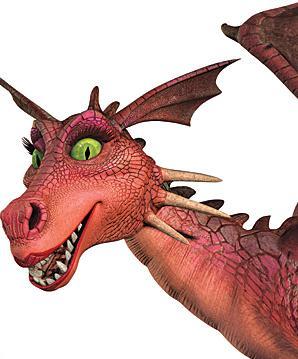
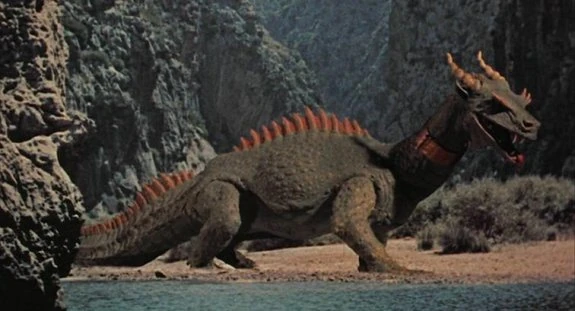


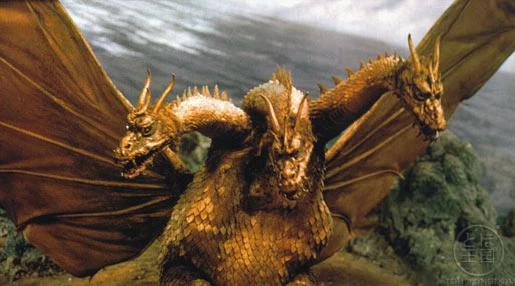


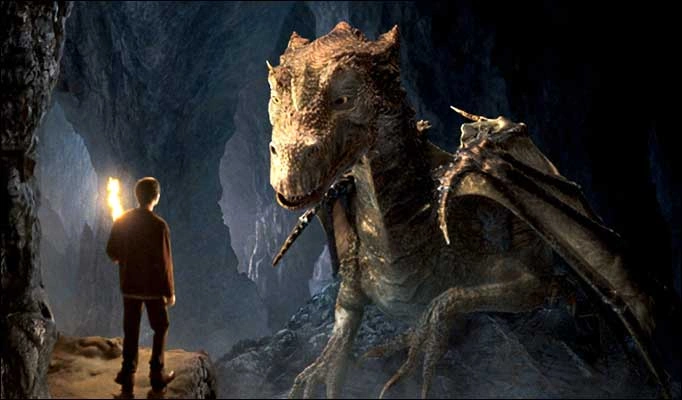


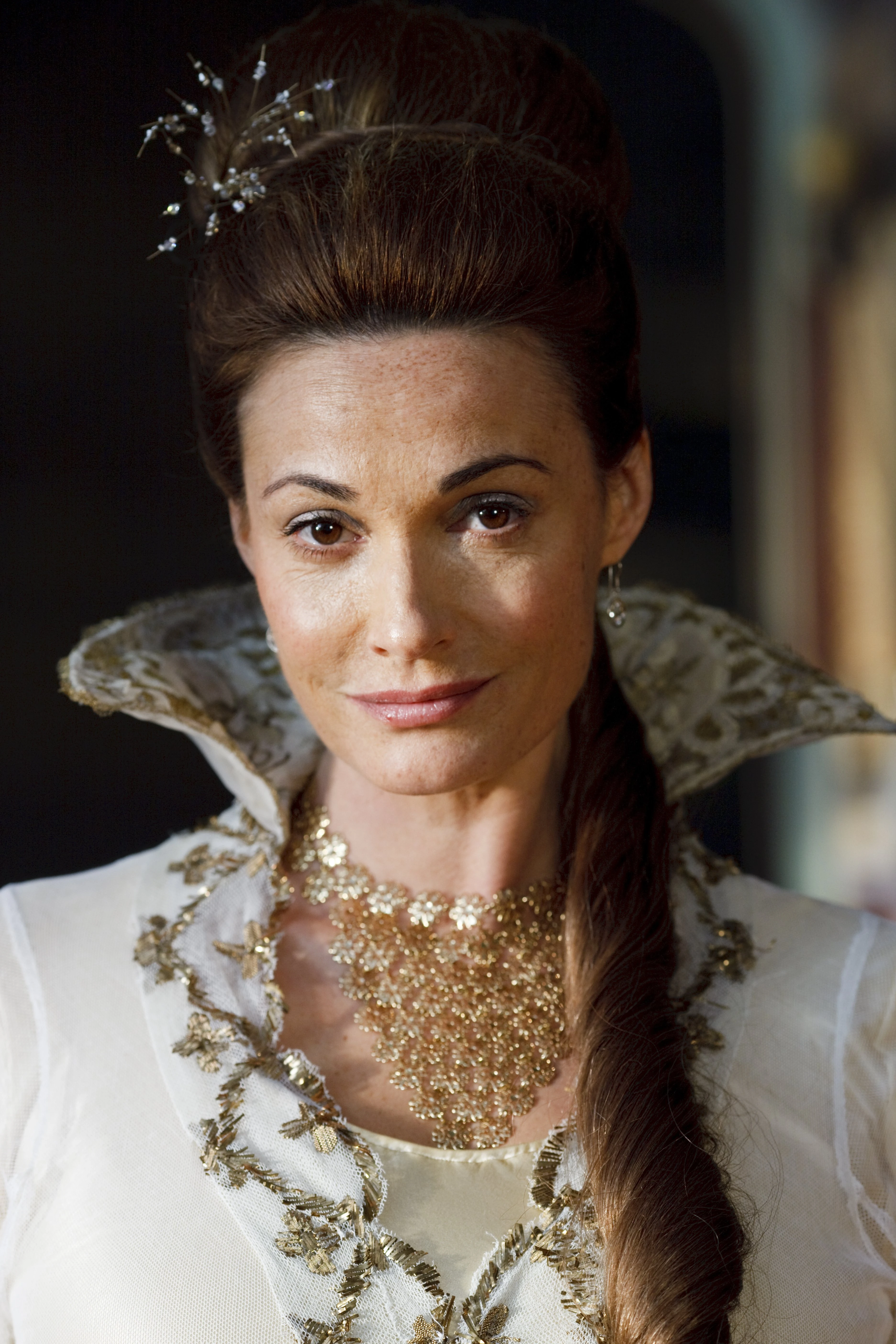


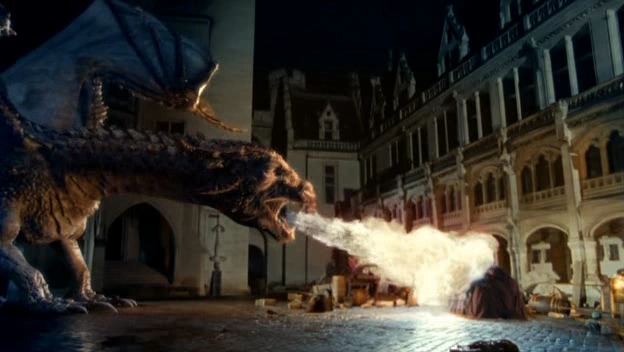



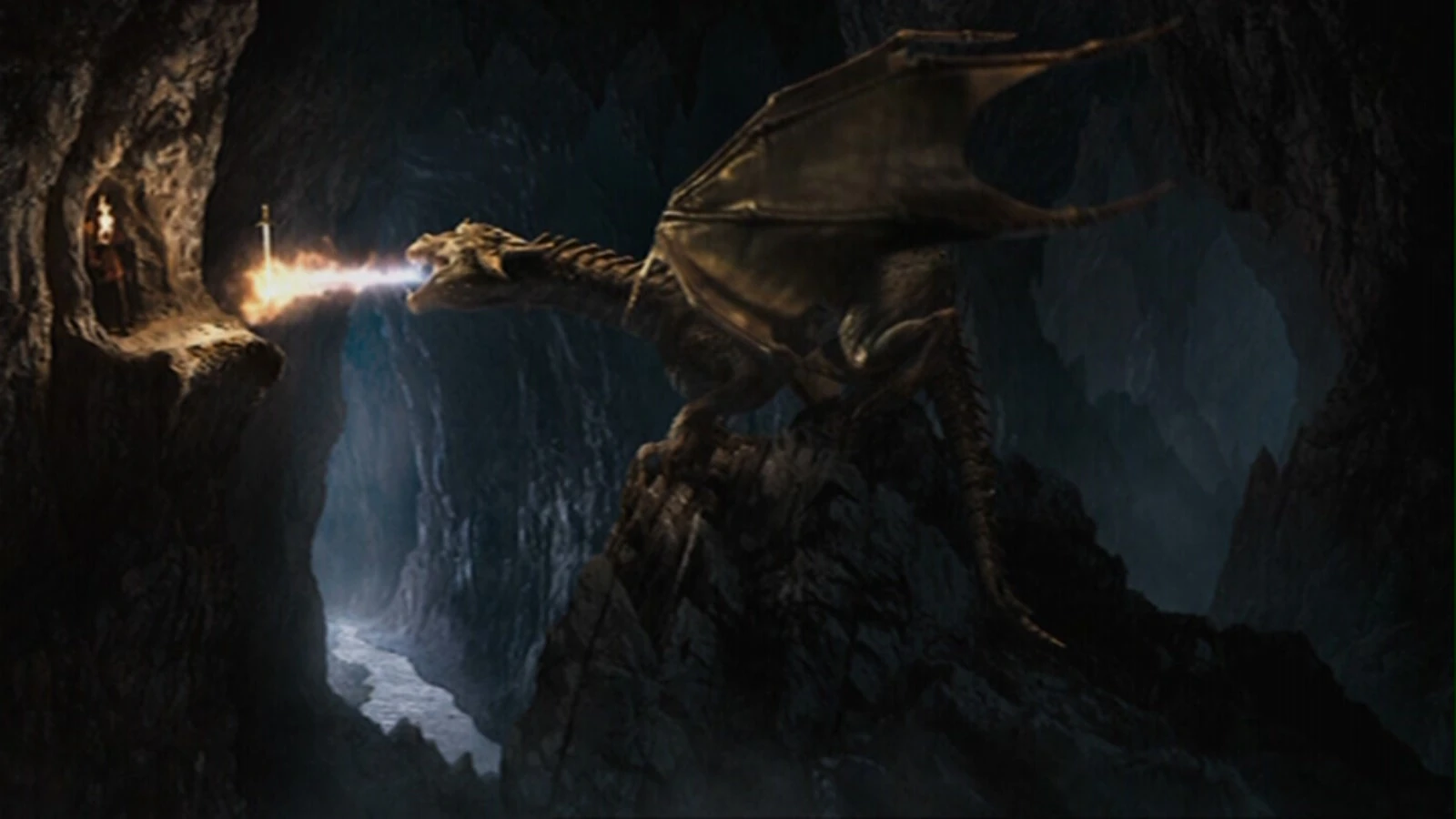


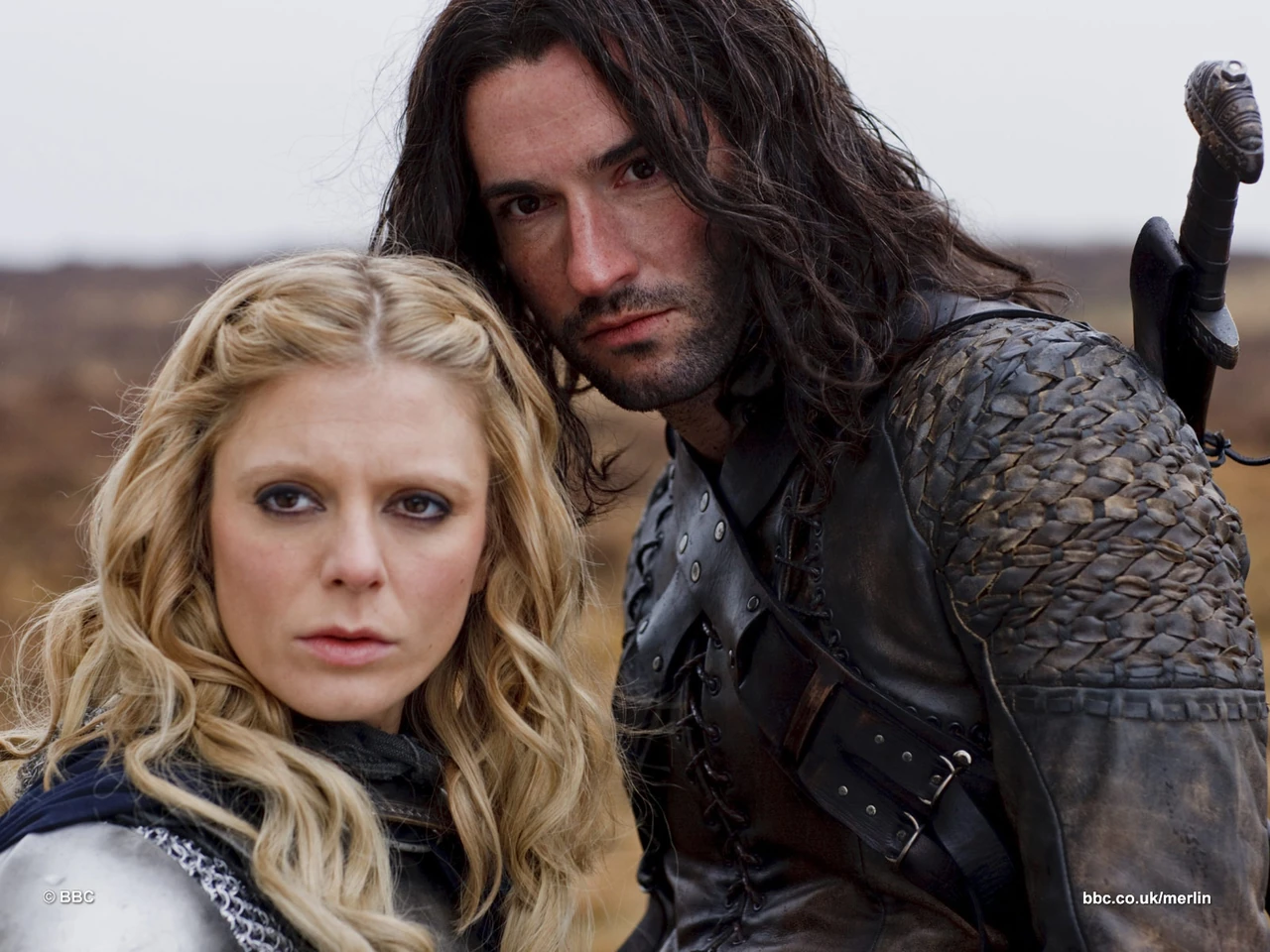


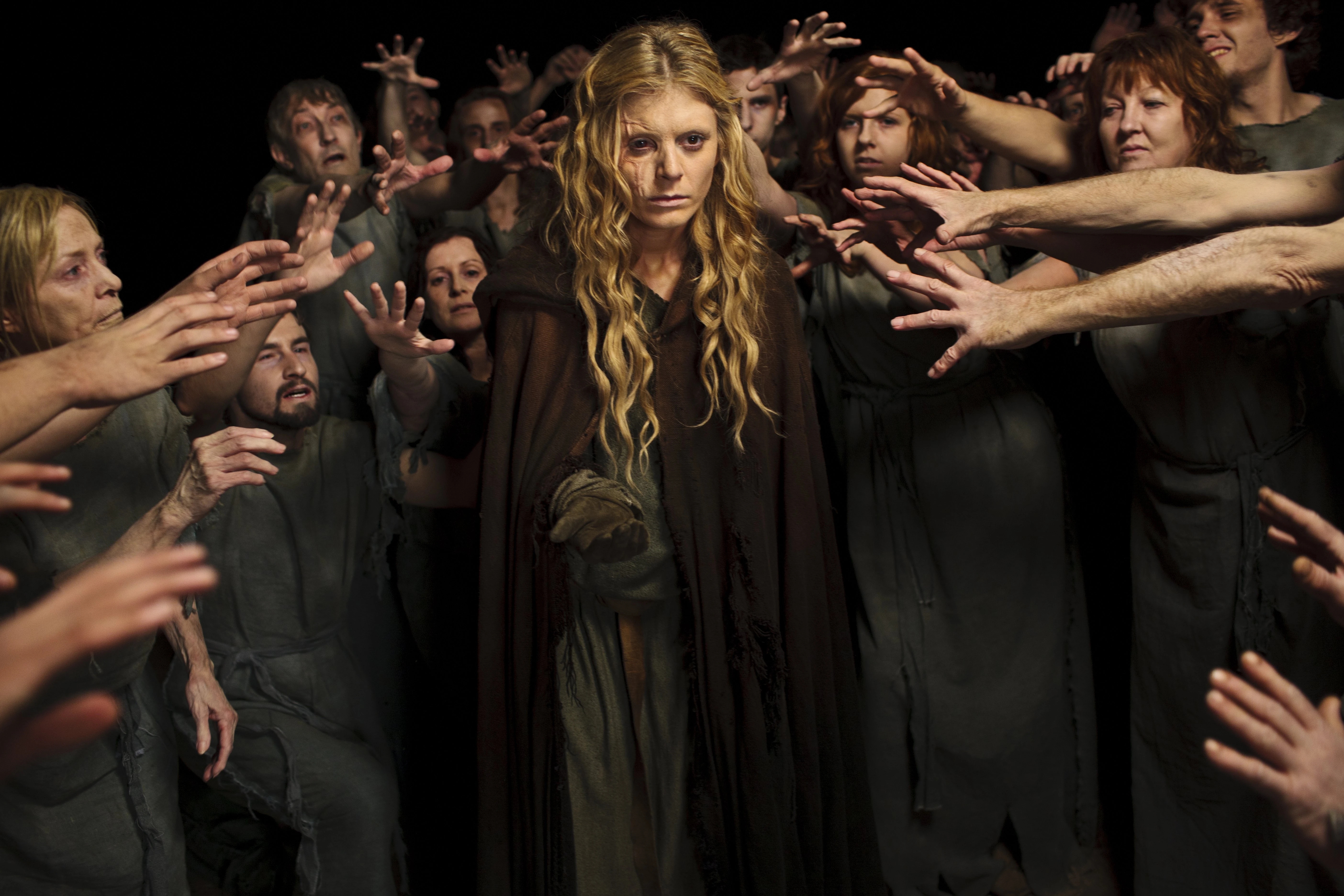
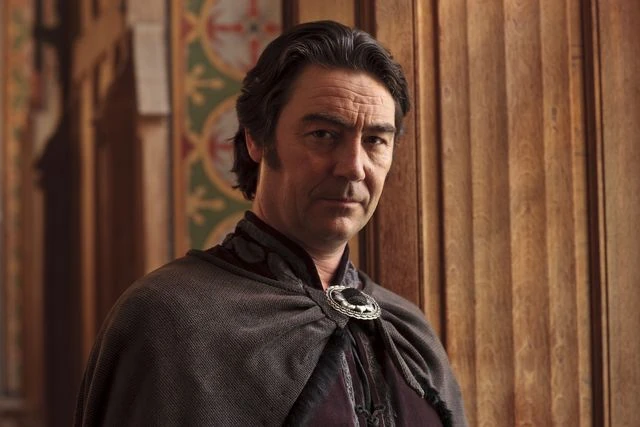


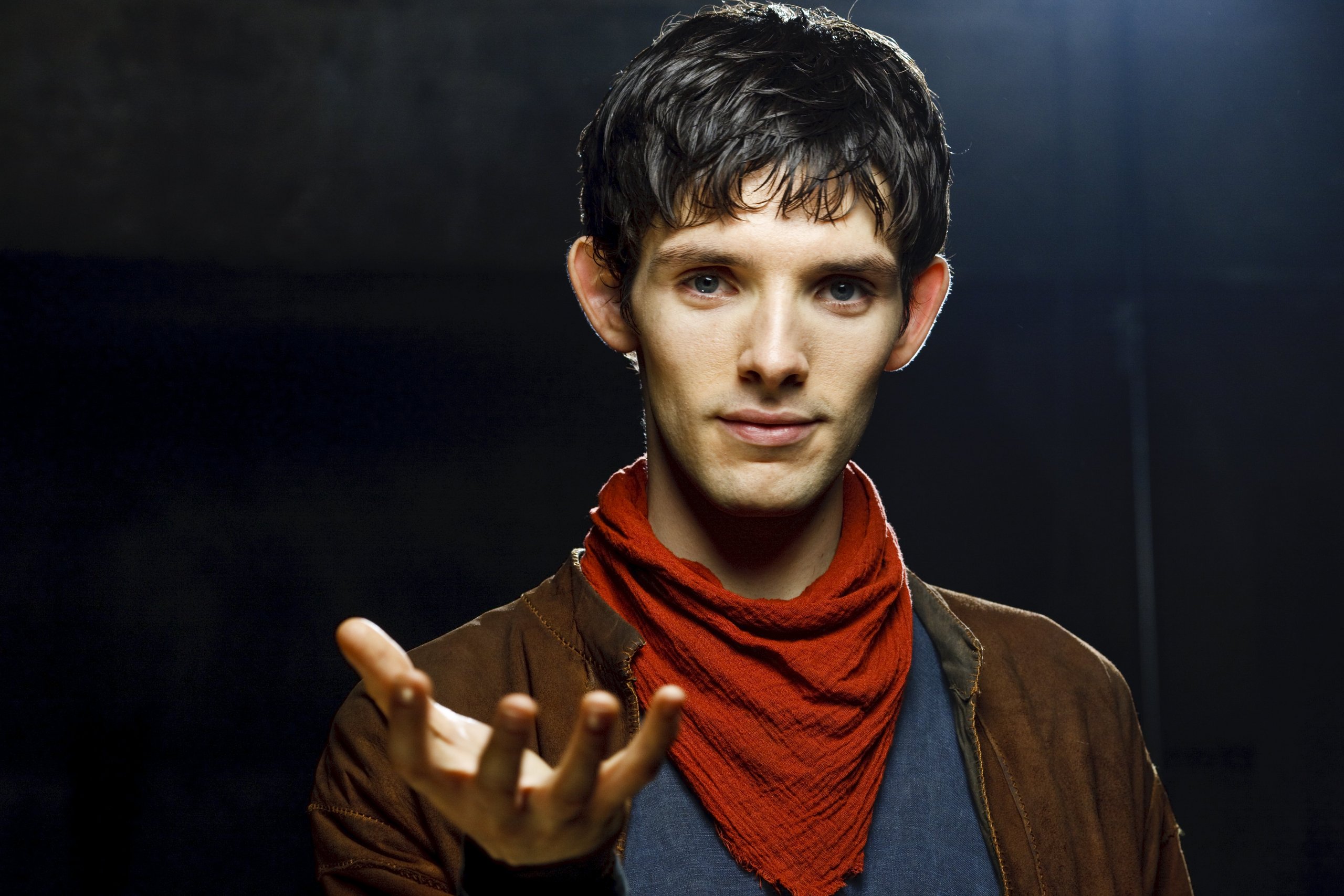
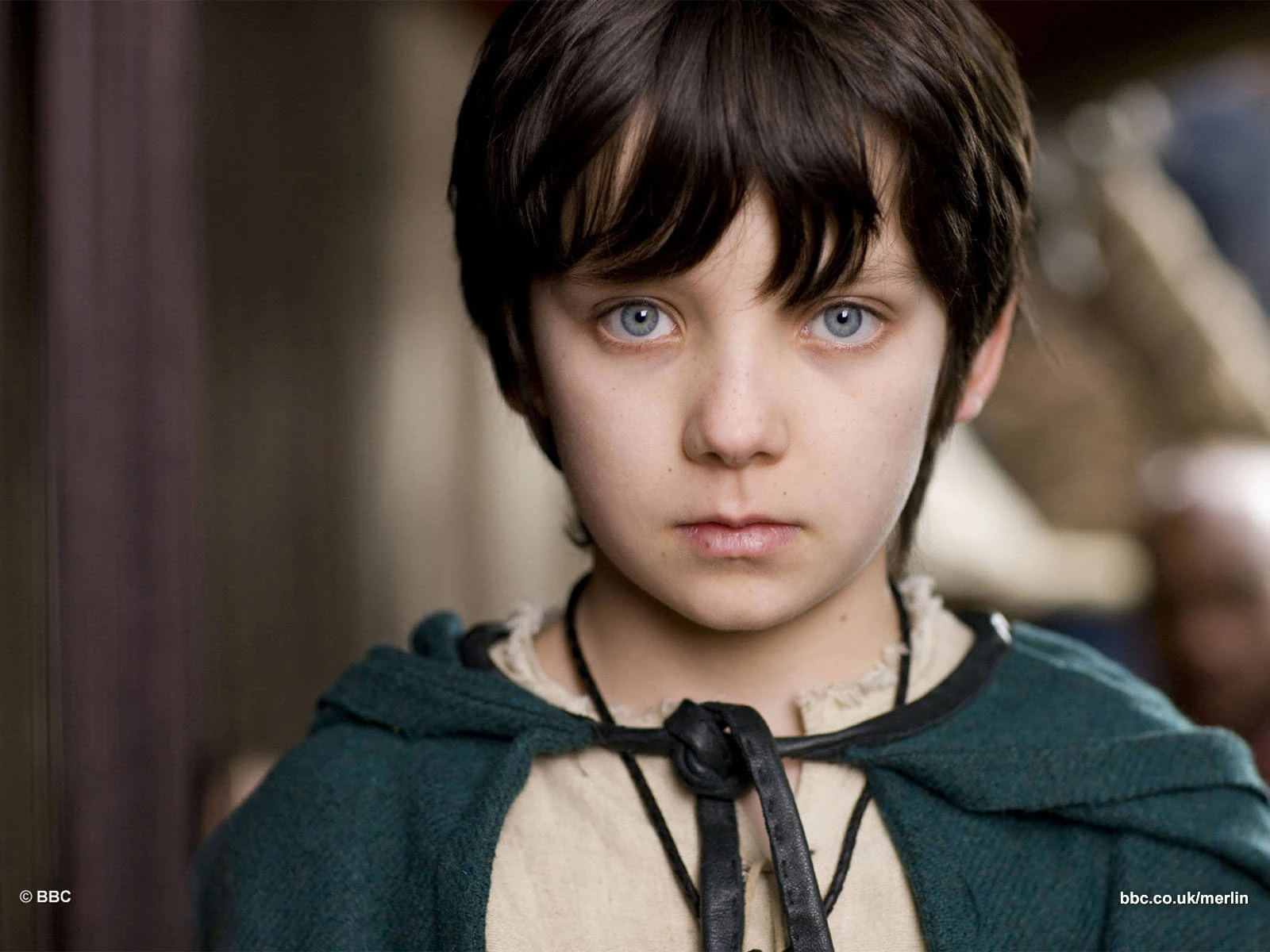
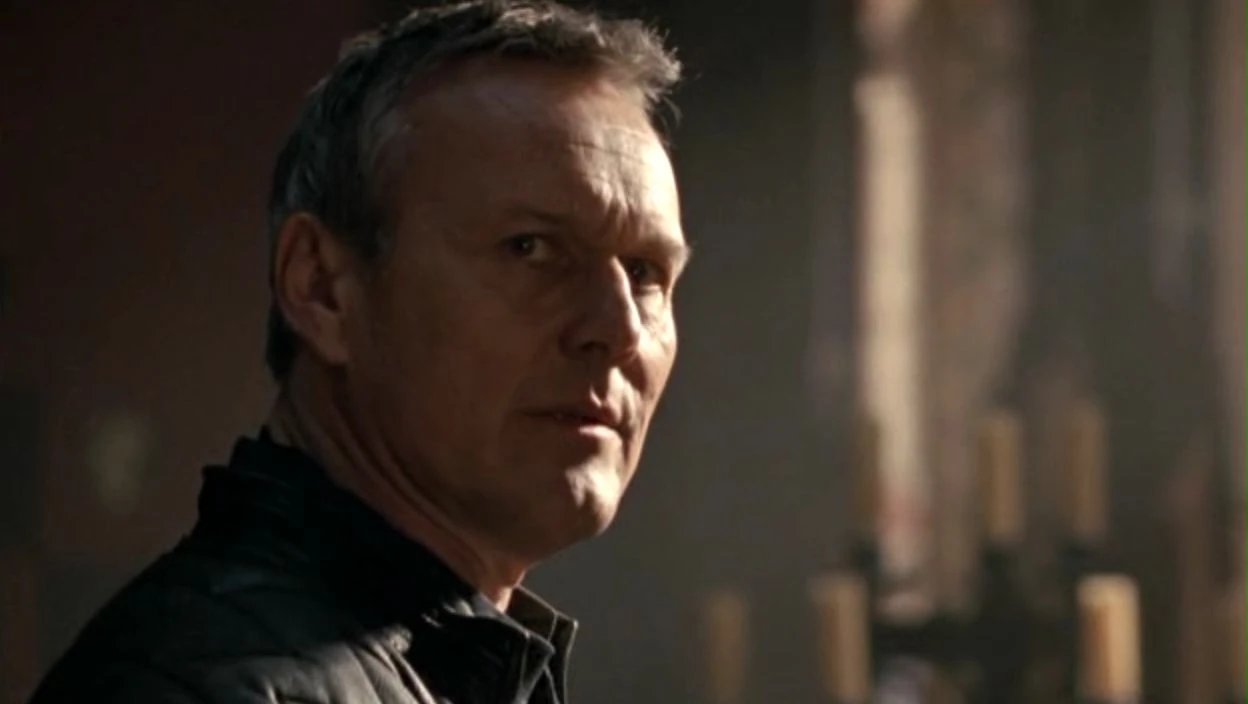


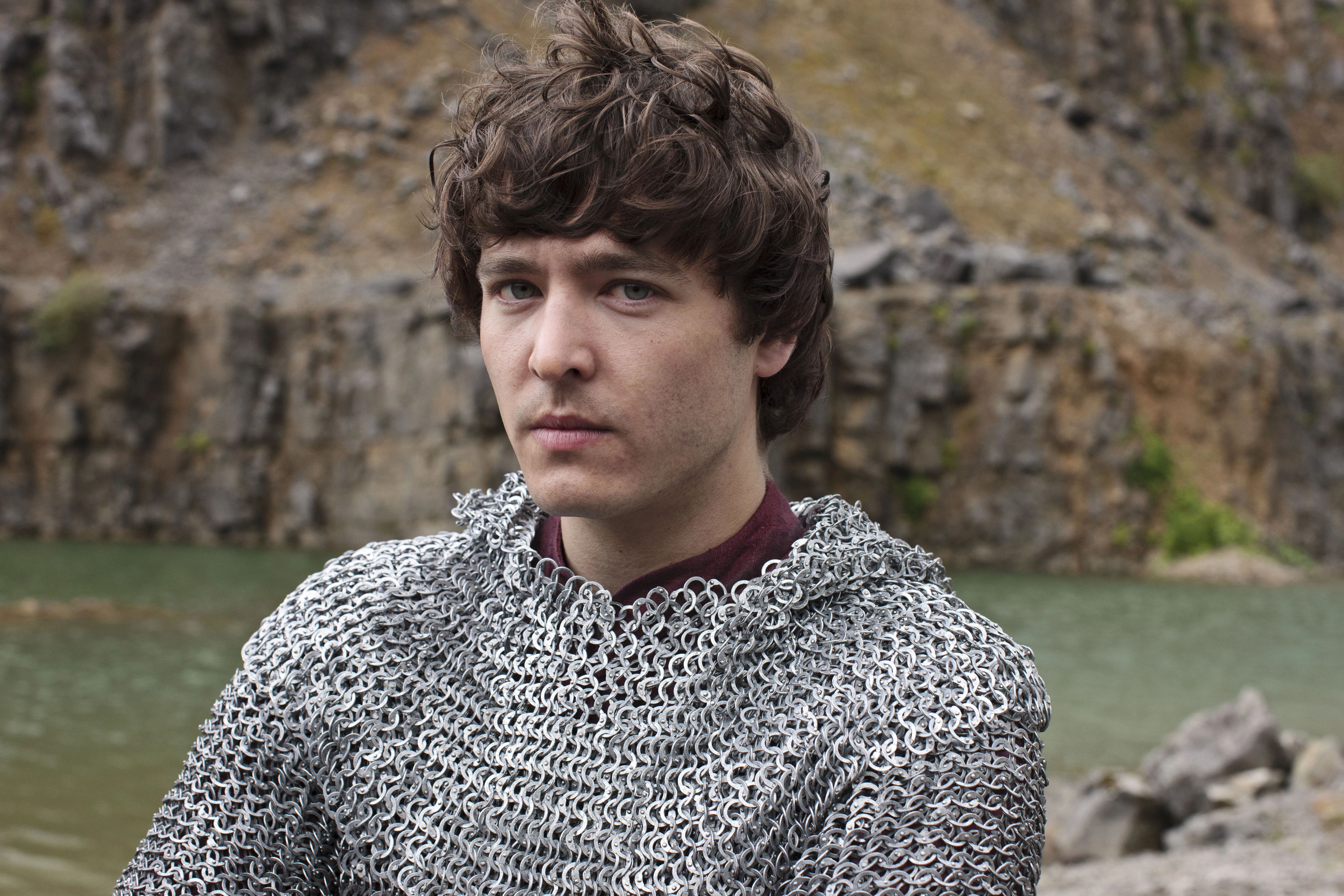

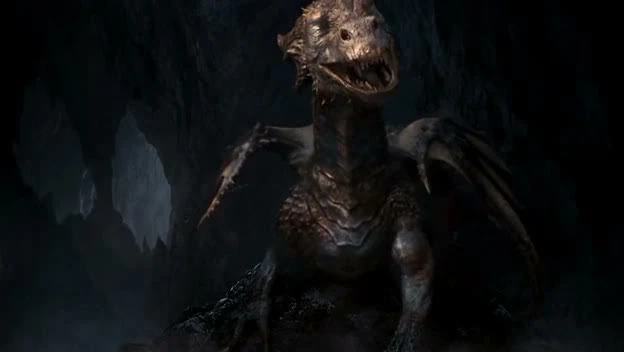







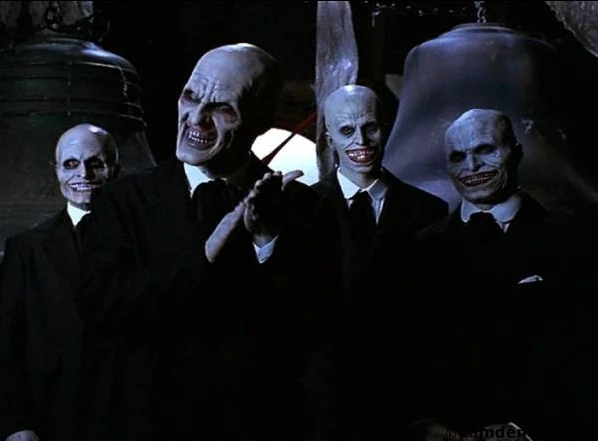




 burrunjorsramblesandbabbles